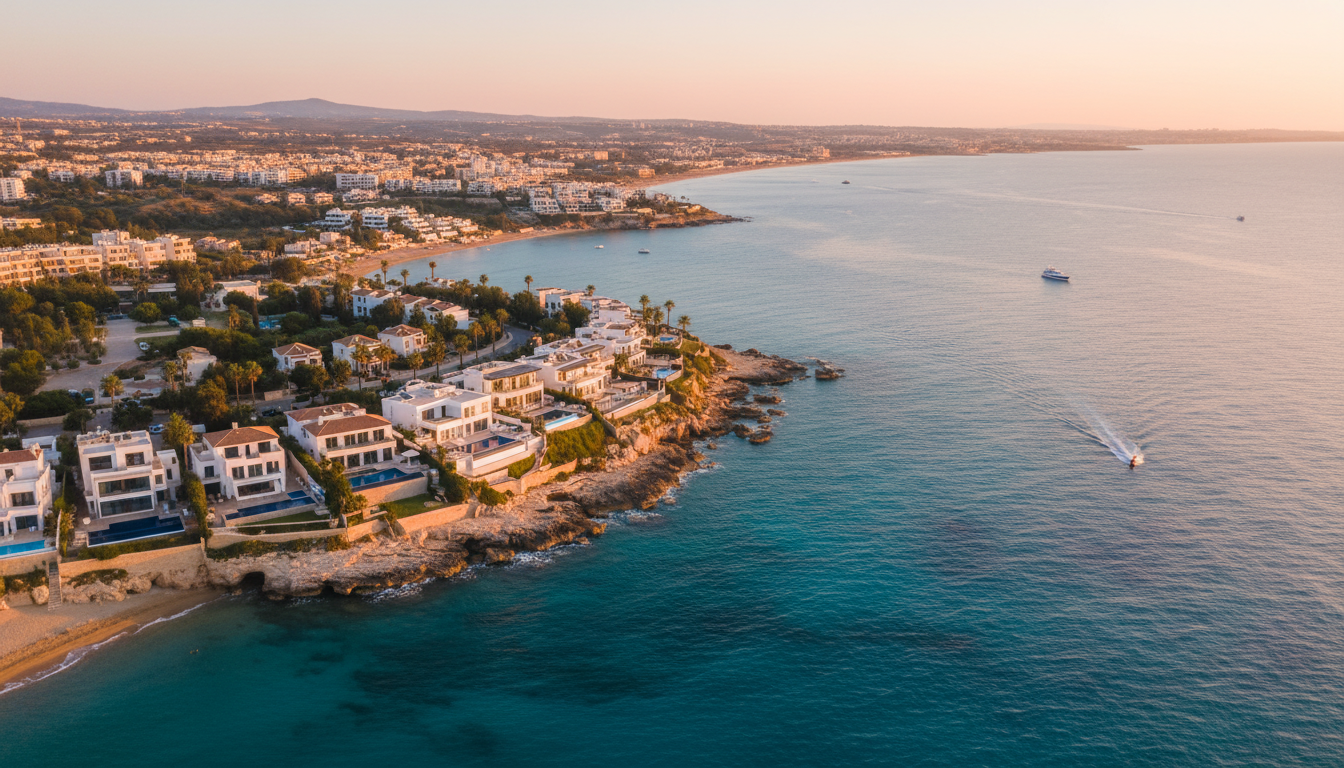
The Shift No One Predicted
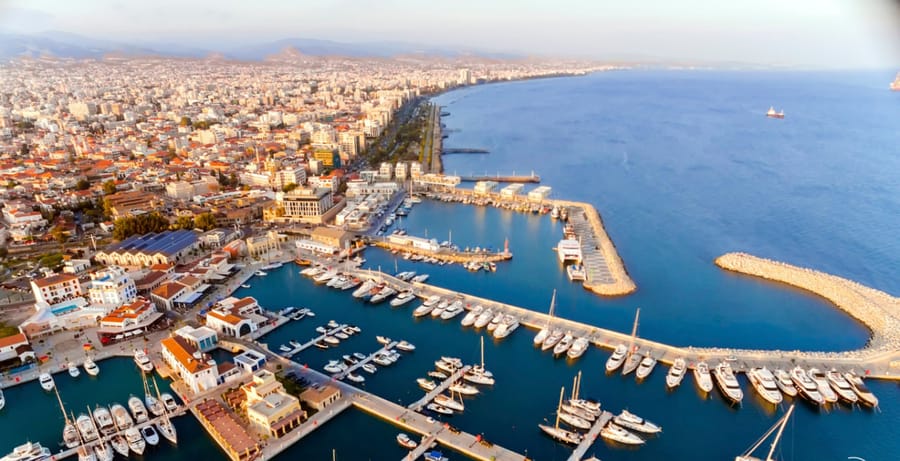
For over a decade, Limassol was the undisputed capital of luxury real estate in Cyprus. International buyers, Russian capital, and a booming skyline made it the default destination for anyone looking to invest on the island. That era is ending.
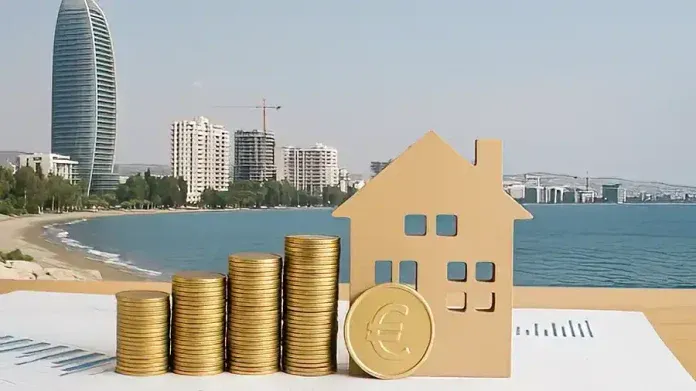
According to Landbank Analytics data covering January to October 2025, Paphos has overtaken Limassol as Cyprus's highest-priced property district. The average sale price in Paphos reached €470,000, surpassing Limassol's €451,000. In the houses segment, the gap is even wider: €697,000 versus €582,000. And in January 2026, Paphos property sales surged 25% year-over-year — while Limassol grew just 4%.
What the Data Shows
Landbank Analytics data for January–October 2025 reveals a stark divergence between Cyprus's two main property markets:
- Average sale price, Paphos district: €470,000 — highest in Cyprus
- Average sale price, Limassol district: €451,000
- Houses, Paphos: €697,000 average — driven by coastal and Akamas-adjacent inventory
- Houses, Limassol: €582,000 average
- Akamas region: €646,000+ average — the most expensive area in Cyprus, surpassing Germasogeia (€584,000)
Separately, DLS transaction data for January 2026 shows Paphos leading in growth momentum:
- Paphos transaction growth: +25% year-over-year (318 sales)
- Limassol transaction growth: +4% year-over-year
Limassol still dominates in total sales volume — nearly 40% of nationwide transactions worth €812 million. But the growth trajectory has clearly shifted westward.

Why Capital Is Moving West
Three structural drivers explain the shift — and none of them are temporary:
Limited coastal land. Paphos has nearly exhausted its buildable coastal plots. Scarcity is doing what marketing never could: pushing prices upward with genuine demand pressure. Unlike Limassol, where vertical construction can theoretically continue, Paphos's coastal strip is finite.
The Akamas factor. The Akamas Nature Reserve — a protected peninsula north of Paphos — creates a unique value proposition. Properties near protected natural coastline command premiums that no amount of glass-and-steel towers can match. The area around Akamas, including Polis Chrysochous, is emerging as the next growth corridor, with average prices already exceeding €646,000.
Direct European connectivity. Paphos International Airport serves dozens of European destinations with direct flights. For the British, German, and Scandinavian buyers who increasingly dominate the market, Paphos is simply easier to reach than Limassol.
Is Limassol Finished?
No — but the narrative has changed. Limassol still accounts for roughly 40% of all property transactions on the island and over €812 million in sales volume (Jan–Oct 2025). The market remains strong in absolute terms. The most expensive single transaction in Cyprus — a €15.2 million apartment — was recorded in Limassol.
What has changed is the growth trajectory. Limassol's luxury segment shows signs of maturity: average prices are no longer climbing as fast, and new entrants face steeper competition. The city is transitioning from a growth market to a mature one. For investors seeking capital appreciation, the opportunity cost of Limassol versus Paphos is now real and measurable.
Who Wins, Who Loses
The shift creates clear winners and losers across the Cyprus property ecosystem:
Winners: West coast developers who secured land early, investors who bought in Paphos before the price surge, landowners in the Akamas corridor, and rental operators in Paphos who benefit from rising tourist numbers and limited hotel supply.
Losers: Limassol luxury builders sitting on unsold inventory at peak prices, late buyers who entered Limassol at the top, agents focused exclusively on a single city, and lenders overexposed to Limassol development loans.
What to Watch Next
Three signals will determine whether this shift is a correction or a permanent rebalancing:
- Building permits in the Polis area. If permit applications north of Akamas accelerate in H1 2026, it confirms that developers see Paphos's growth extending beyond the city itself into the broader western corridor.
- The Larnaca marina effect. Larnaca's new marina and port redevelopment could emerge as a third pole in the Cyprus market, pulling capital away from both Limassol and Paphos. Watch Q2–Q3 2026 transaction data from the Larnaca district.
- Q2 2026 DLS data. The Department of Lands and Surveys report covering April–June 2026 will be the first comprehensive dataset to either confirm or refute the trend. If Paphos maintains its price lead for two consecutive reporting periods, the structural shift becomes consensus.
The Bottom Line
Cyprus property is not a single market — it is a collection of micro-markets moving at different speeds and in different directions. The decade-long assumption that "Limassol = premium" is being challenged by data, not sentiment. For investors, the implication is clear: geographic diversification within Cyprus is no longer optional. It is the strategy.
Data sources: Landbank Analytics via Kathimerini Cyprus (property prices, Jan–Oct 2025); Cyprus Mail (DLS transaction data, Jan 2026). All price figures represent average sale prices across all property types per district unless otherwise noted.