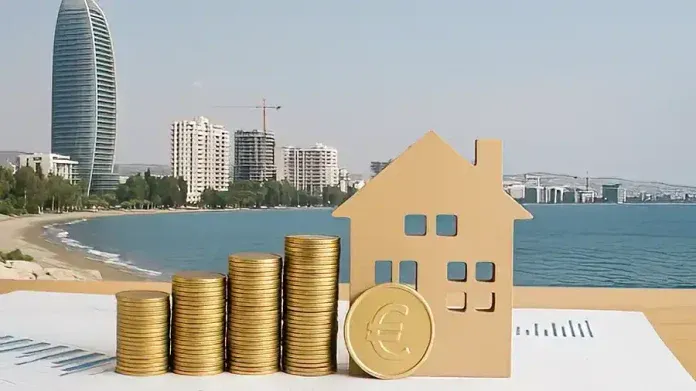
Europe’s property market is going through a restless phase. High interest rates, overheated capitals, political uncertainty, and tighter rules for buyers have made many investors noticeably more cautious. Against this backdrop, the Mediterranean is increasingly viewed not as a seasonal resort story, but as a zone of relative stability — a quiet harbor for capital, lifestyle, and long-term decisions.
This is not marketing poetry. It is the result of several very pragmatic trends converging in 2026.
Northern Europe Feels the Pressure, the South Adapts
While Germany, the Netherlands, and Scandinavia continue to operate in a high-rate, credit-constrained environment, Southern Europe has largely adjusted to the “new normal.” Mediterranean economies are less dependent on heavy industry and more rooted in services, tourism, private capital, and international demand.
Price dynamics here are calmer. Growth is slower, sometimes even unexciting — and that is precisely what makes these markets more predictable. For buyers, this translates into fewer post-purchase shocks and a clearer planning horizon.
The Mediterranean Is Not Fighting the Investor
One of the key differences visible in 2026 is regulatory attitude. Northern Europe is tightening: higher taxes, stricter rental controls, increasingly complex residency frameworks. The Mediterranean, by contrast, is moving more selectively.
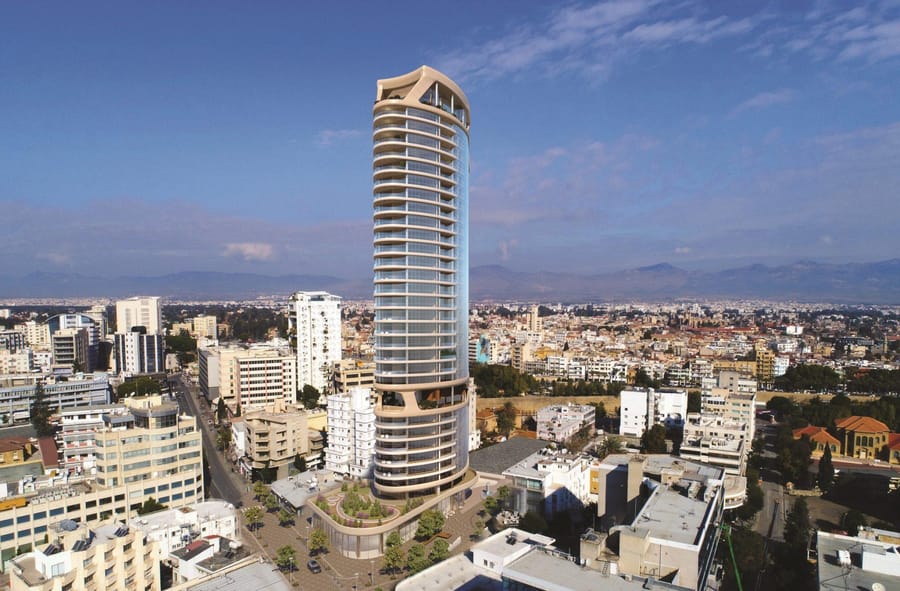
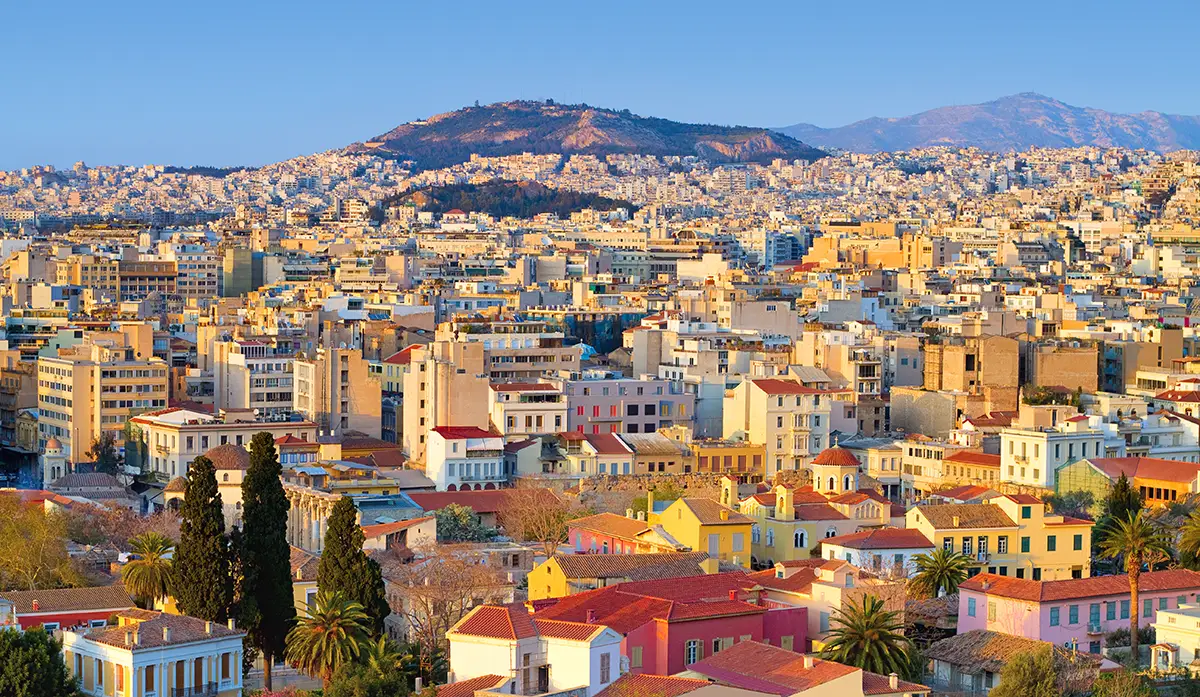
Cyprus continues to work carefully with foreign buyers, prioritizing quality over volume. Greece is reshaping its investment model, shifting away from pure speculation toward business and substance. Spain is trying to balance regulation with attractiveness for those buying to live, not flip.
The shared message is clear: long-term investors are still welcome.
Property Here Is Bought for Logic, Not Fear
In 2026, an increasing share of Mediterranean transactions are not driven by panic or capital flight. Buyers choose locations where they can realistically live, relocate later, rent out without constant friction, or simply hold an asset without permanent anxiety.
Climate, healthcare, infrastructure, food culture, and pace of life are no longer “soft factors.” They have become investment parameters. This is where the Mediterranean quietly wins: it offers not just square meters, but a coherent life scenario attached to the property.
A “Safe Zone” Is About Balance, Not Guarantees
It is important to stay realistic. The Mediterranean is not immune to crises, political shifts, or local overheating. But in 2026 it offers something increasingly rare in Europe: a balanced equation of moderate risk, understandable rules, and a human-scale market logic.
This is why more buyers now look south not as an exotic alternative, but as a foundation. Not for aggressive speculation, but for calm, strategic ownership — property that integrates into life instead of demanding constant supervision.
In a fragmented and nervous Europe, the Mediterranean remains one of the few regions where capital, lifestyle, and long-term thinking still coexist naturally. In 2026, that balance has become its strongest asset.