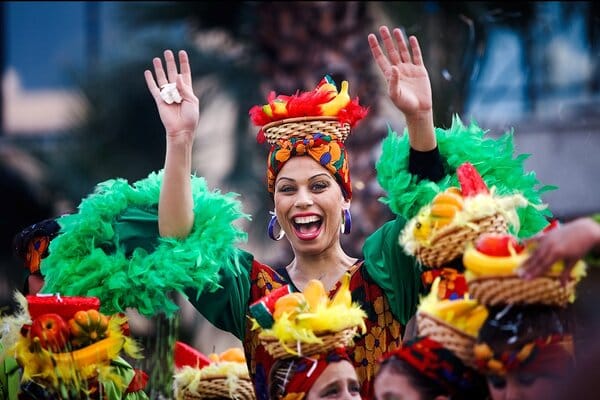
LIMASSOL, 20 FEBRUARY 2026
The Anisad team stepped out “just to have a look”. We ended up staying for two hours.
+19°C. Friday.
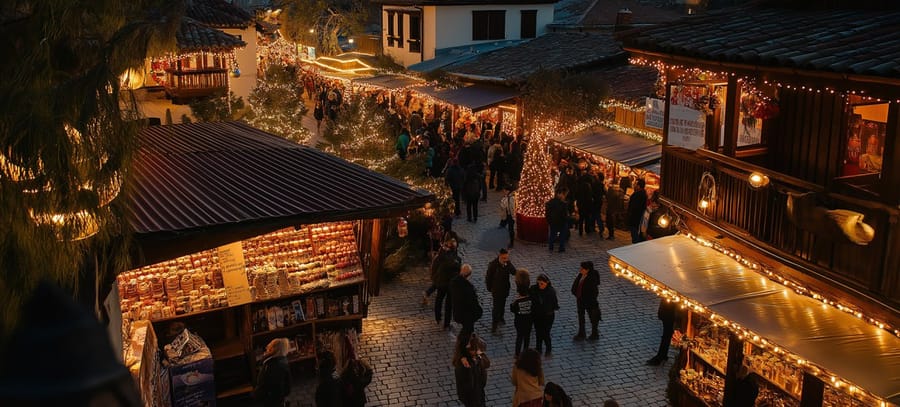
On Anexartisias Street the air smells of grilled meat from Tsiknopempti, sweet zivania and cheap hairspray.
We came without cameras raised, without any grand editorial intention. Honestly — just to exhale after a long week. The Limassol Carnival has been running from 12 to 22 February, and missing it would be rather like living in Paris and ignoring July.
At 19:00 the Serenades (Cantadores) began. Men in old-fashioned suits, guitars in hand, singing beneath balconies. It isn’t staged for tourists; it’s an old, almost intimate tradition. Some people join in, some laugh, some film it for their stories.
And in that moment you realise: for these ten days the city slightly loses its mind — but in a controlled, almost elegant way.
Limassol Right Now Is a Curious Hybrid
The official Carnival budget for 2026 stands at €420,000.
The projected economic impact exceeds €12 million.
Hotel occupancy this weekend has reached 94%.
Airbnb in the Old Town is up to €1,200 for the period.
This is no longer a “local festivity”. It is an industry.
And yet — it feels completely sincere.
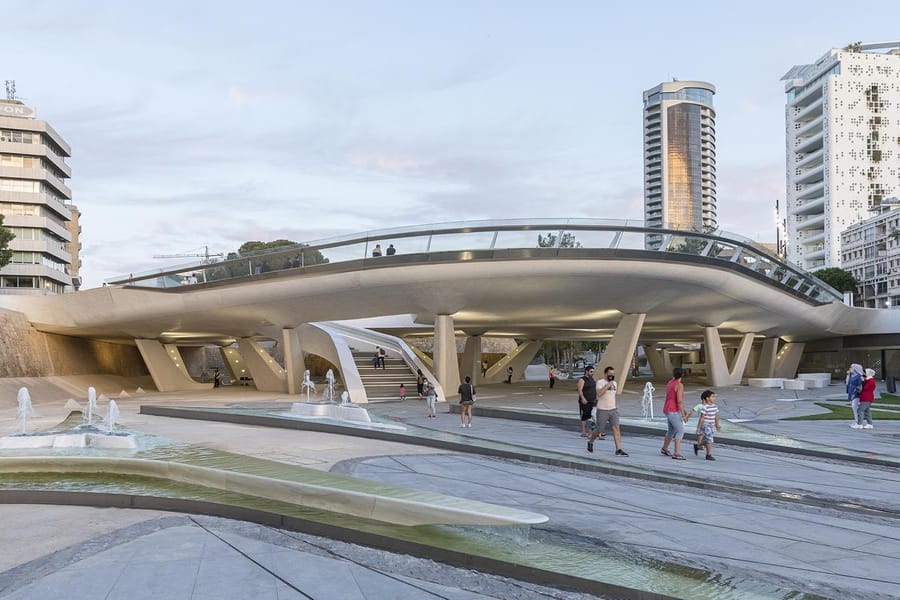
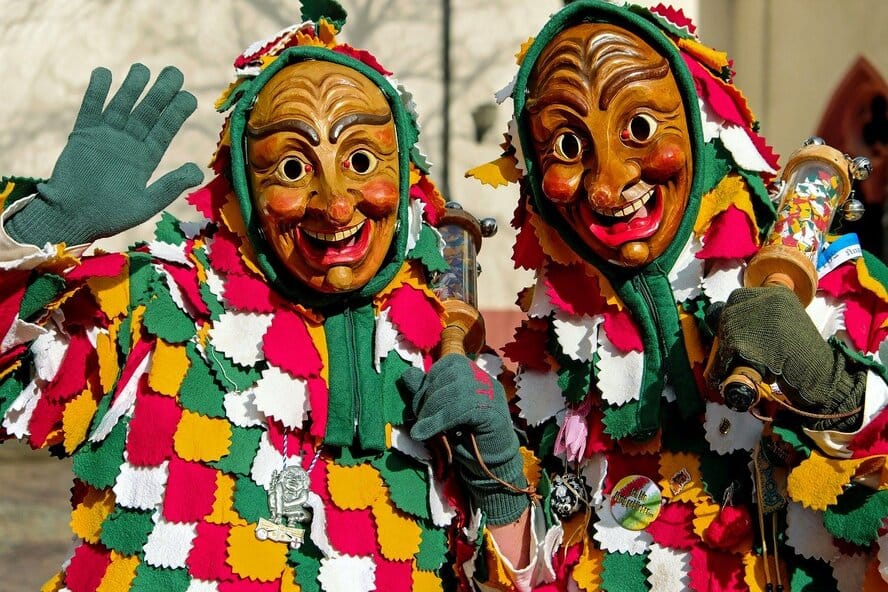
We are standing in Saripol Square. In front of us: a group wearing traditional “Pellomaska” costumes — chaotic masks made of rags and old clothes. Behind them: the neon-lit towers near City of Dreams Mediterranean. The contrast is almost too obvious — and precisely for that reason, beautiful.
Limassol in 2026 is a city where old Greek identity coexists with people who have relocated here over the past four years for Web3, fintech and sunlight.
From the 1890s to Digital Nomads
The first documented carnival group appeared here in the 1890s, during British administration. Back then, wearing a mask was a quiet declaration: “We are still Greek. We are still here.”
Today the meaning has shifted.
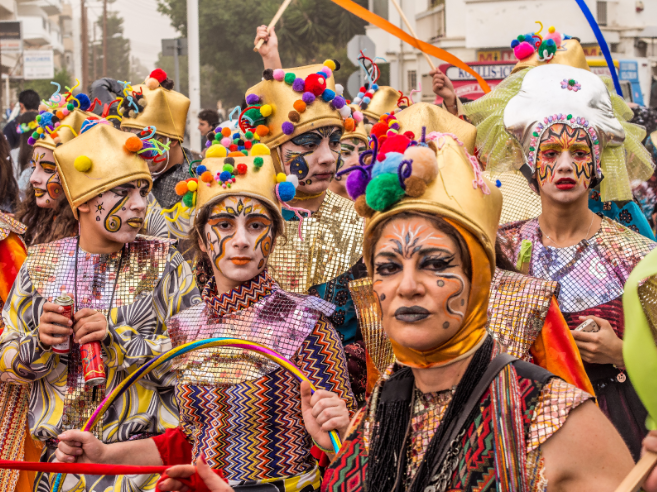
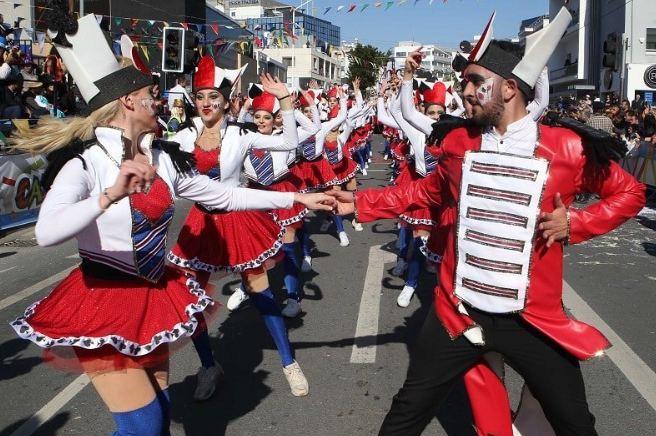
The Grand Parade includes 120 groups and roughly 35,000 participants. Among them — a float prepared by IT-sector relocants. They call themselves “Digital Nomads”: dressed in tech-inspired costumes, yet holding traditional wooden staffs instead of laptops.
It looks humorous.
And remarkably accurate.
What Is Really Happening Here
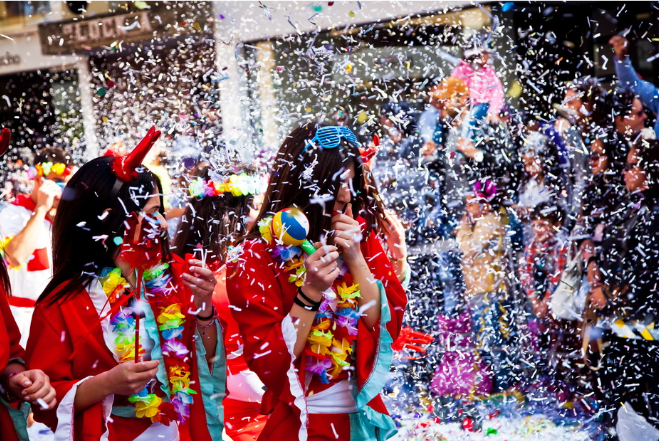
The Limassol Carnival is a form of social decompression.
In recent years the city has grown sharper: big money, rising rents, high-rises, a tightening social hierarchy. The distance between people has widened.
For ten days, that distance collapses.
Yesterday we watched someone who could easily be imagined in a boardroom atop a glass tower standing in a lobster costume, patiently queuing for loukoumades. Two hours. No urgency.
There is no northern European sterility here.
You are allowed to be ridiculous.
Orthodoxy and Dionysus — A Functional Contradiction
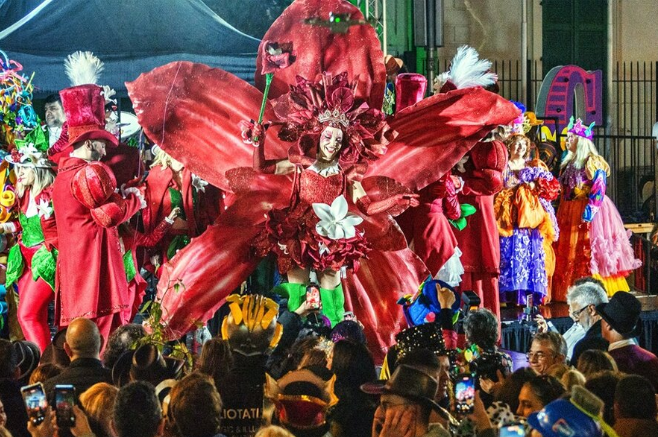
The Carnival takes place during Apokries, the period before Great Lent. On Sunday morning, many of the same people wearing feathers and sequins today will attend liturgy.
This is not hypocrisy. It is the Mediterranean.
There is an instinctive understanding here of how to balance austerity and excess. Seriousness and spectacle.
Why This Matters to Anisad
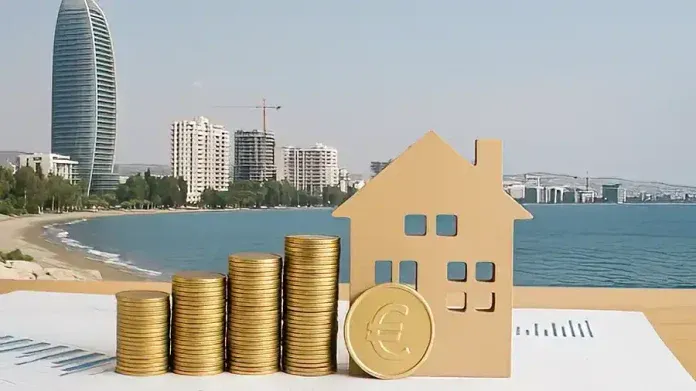
We often write about investment, property, numbers, capital flows.
But without understanding moments like this, you cannot understand the city.
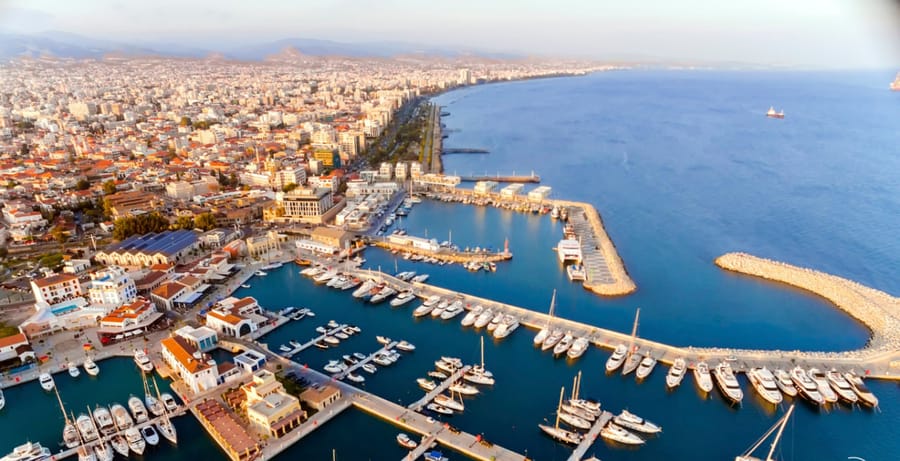
Limassol today is not only marinas, skyscrapers and transactions.
It is also the right, for one evening, to become a “pellomaska” and dissolve into a crowd where nobody asks what you do for a living.
Carnival 2026 is not a tourist attraction.
It is the city testing whether it is still alive.
And, frankly, this year Limassol feels unmistakably alive.