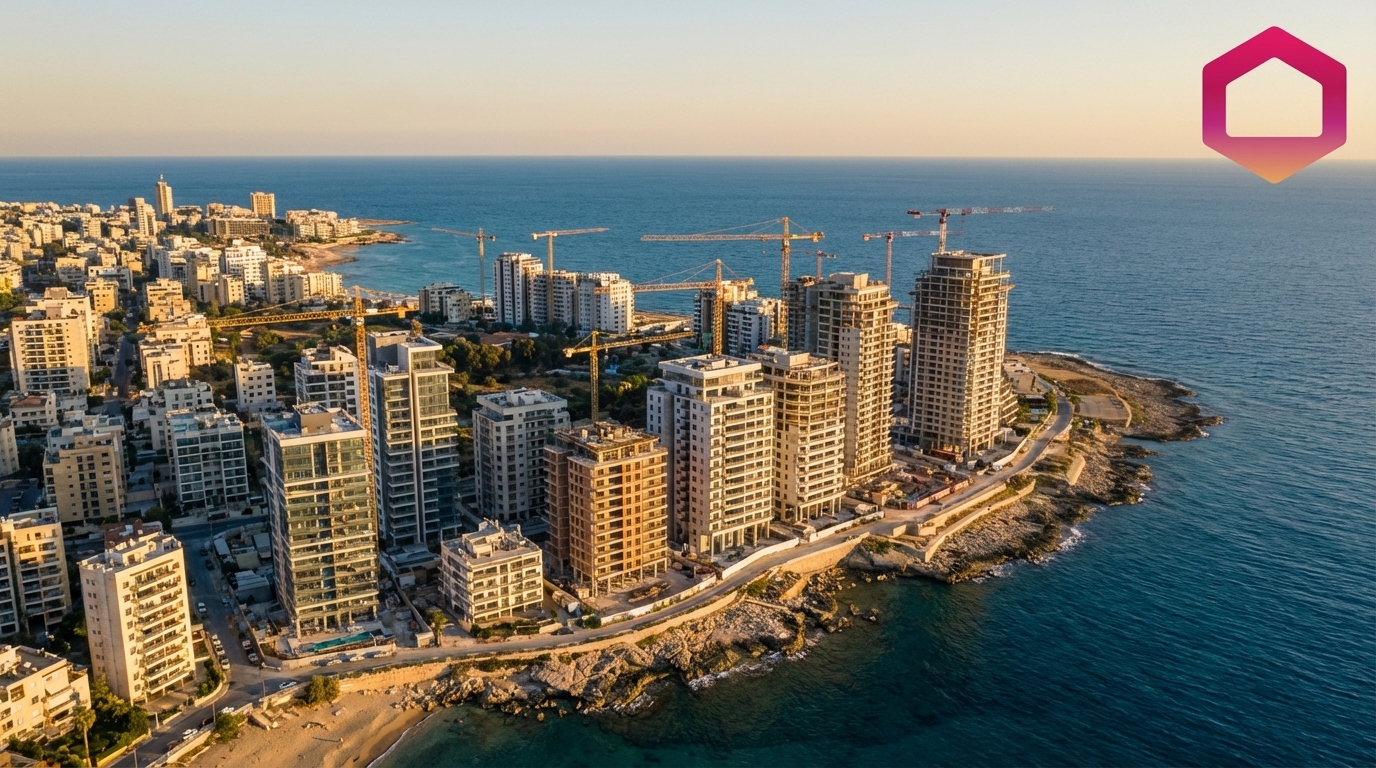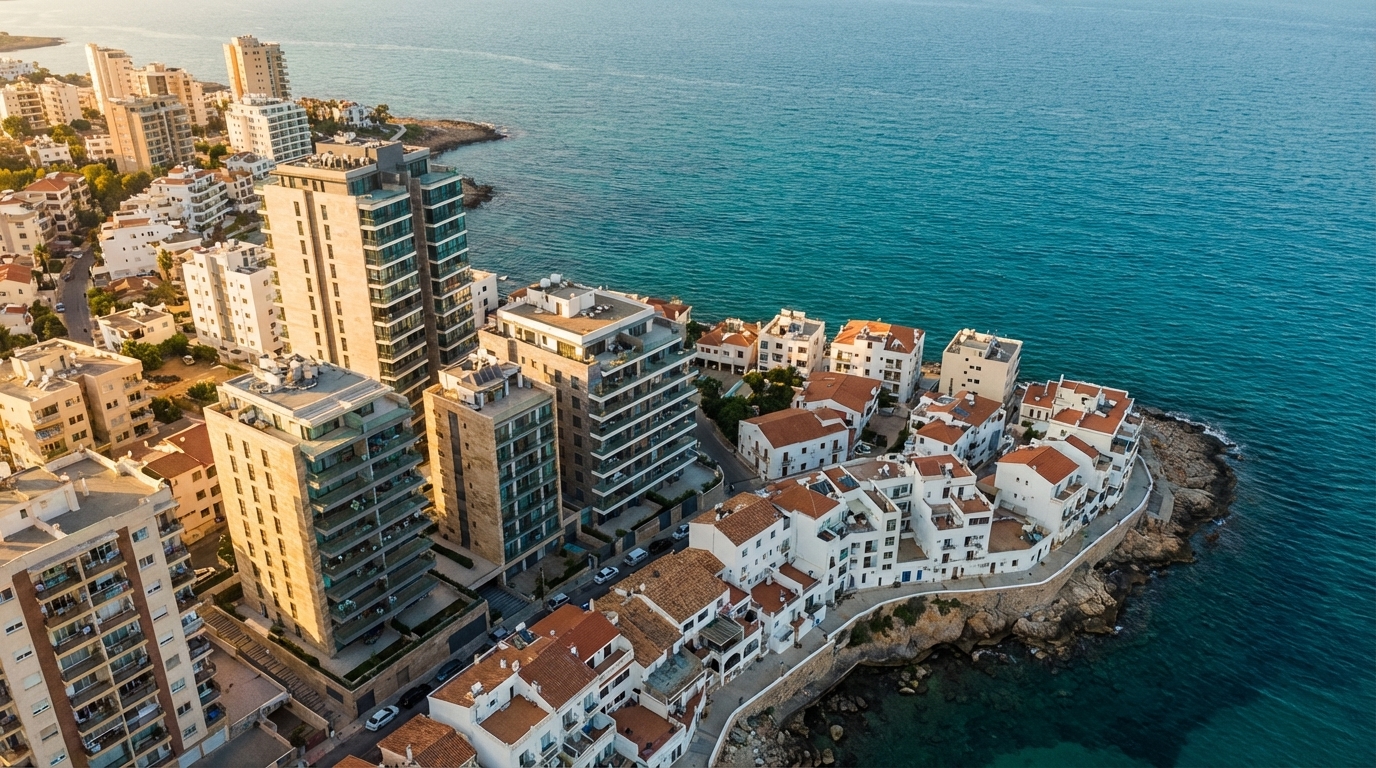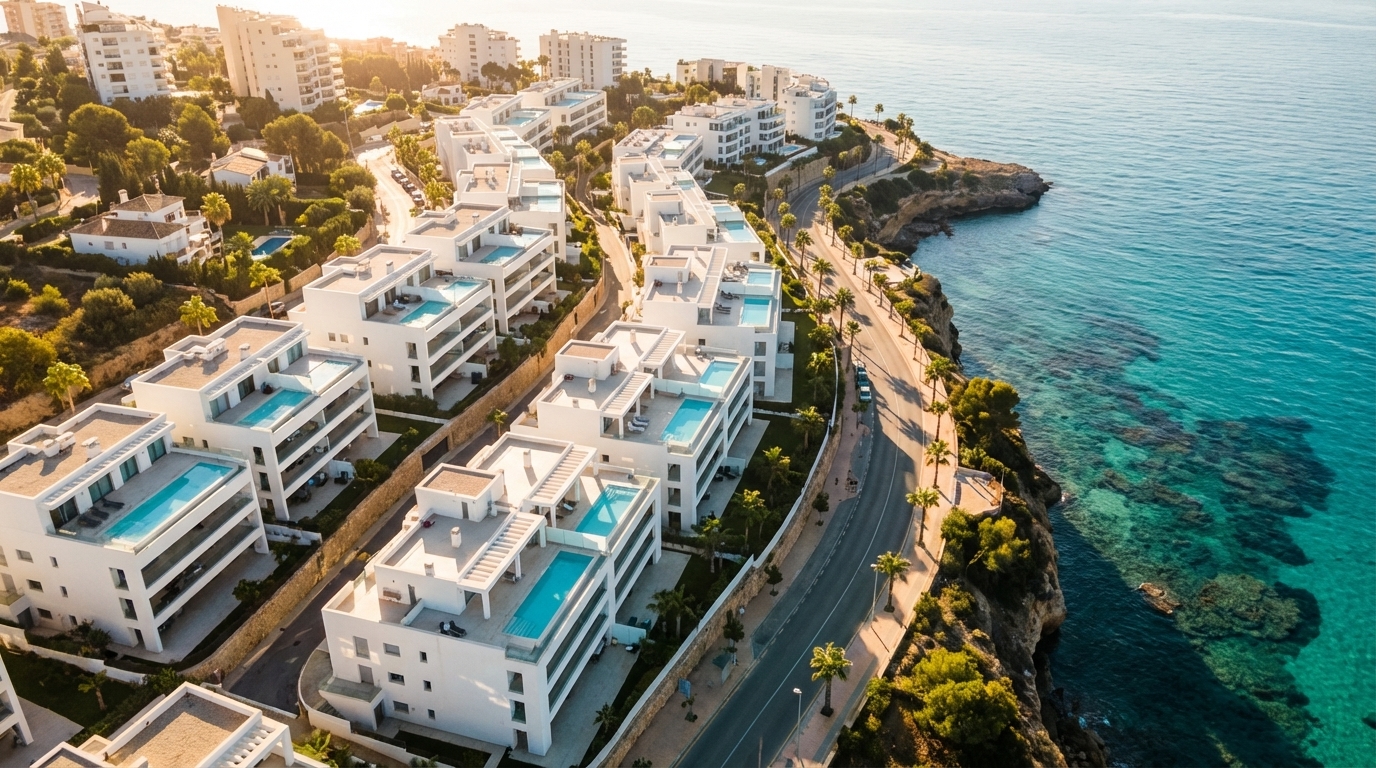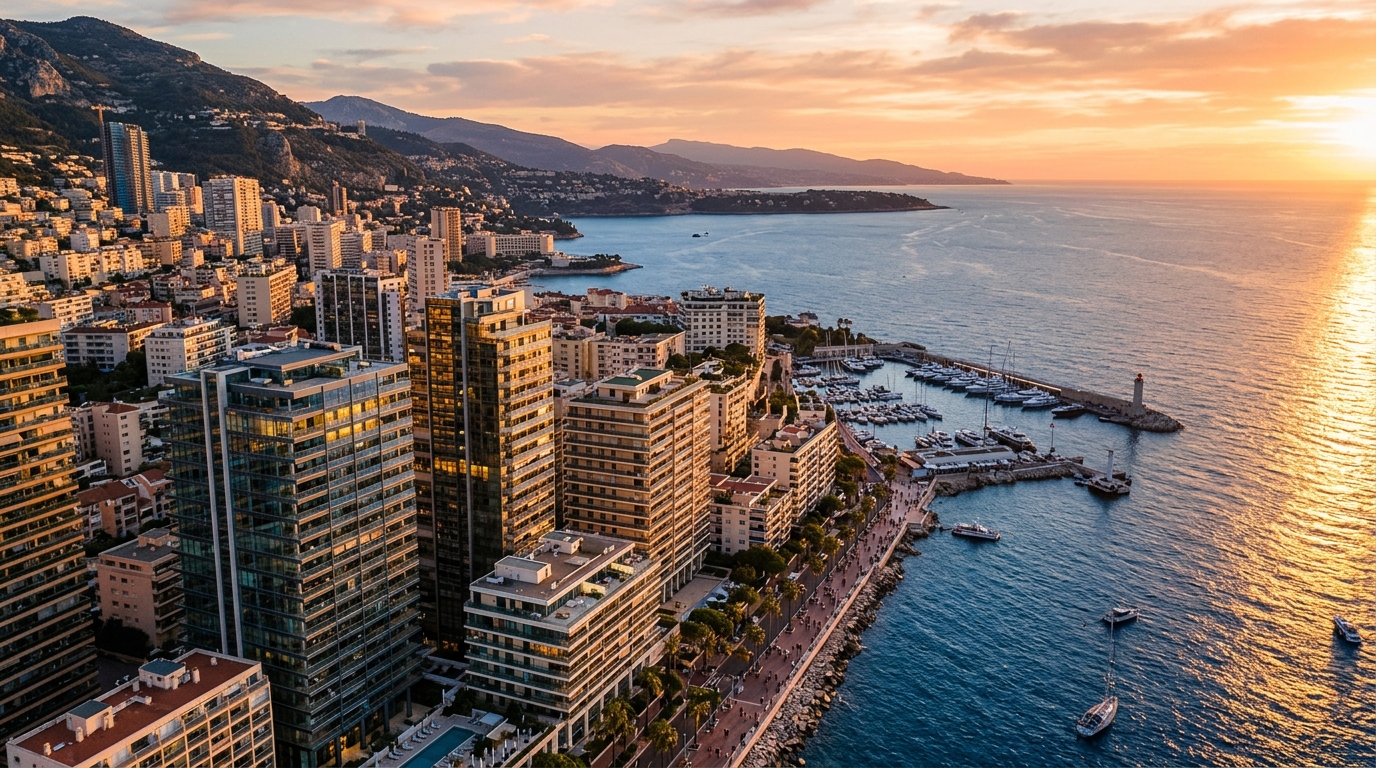
For the better part of a decade, Dubai has been the gravitational center of international real estate capital. Record transaction volumes, soaring prices, and an investor-friendly regulatory framework made the emirate the default destination for wealth seeking property exposure. That era appears to be ending. Reports now describe Dubai's 'reputation for safety in tatters' as both transactions and prices fall — and the implications for Mediterranean real estate markets are profound.
The Dubai Correction: Beyond a Cyclical Downturn
What distinguishes the current Dubai market deterioration from previous corrections is the simultaneous erosion of confidence and pricing. Transaction volumes are declining even as developers continue to deliver new supply — a classic oversupply dynamic. But the more concerning signal is the damage to Dubai's safety reputation, which was the foundation of its pitch to international investors. Without the perception of stability and security, the tax-free structure alone is insufficient to retain capital.
Capital Doesn't Vanish — It Migrates
When major property markets correct, the capital they attracted doesn't disappear. It seeks alternative destinations that offer comparable returns with better risk-adjusted profiles. In the current environment, Mediterranean Europe — particularly Cyprus, Greece, and Portugal — presents the most logical alternative for displaced Dubai investment. These markets offer EU regulatory frameworks, enforceable property rights, established residency pathways, and access to the European single market.
Cyprus: The Primary Beneficiary?
Cyprus occupies a unique position in this capital rotation narrative. The island's property market continues to show positive price growth, with the CYSTAT House Price Index maintaining an upward trajectory. Foreign buyers already account for approximately 30% of property transactions, demonstrating that the infrastructure to absorb international capital exists. The luxury segment in Limassol and Paphos — the segment most comparable to Dubai's offering — has shown particular resilience, with Paphos emerging as the island's highest-priced district.
The EU Regulatory Advantage
The fundamental difference between Cyprus and Dubai is regulatory architecture. EU membership provides property buyers with enforceable legal protections, transparent title registration through the Department of Lands and Surveys, an independent judiciary, and consumer protection standards that Dubai's freehold zones cannot match. For institutional investors and high-net-worth individuals burned by Dubai's governance gaps, this regulatory certainty is the decisive factor. The European Court of Justice, GDPR protections, and harmonized banking regulations create a compliance environment that sophisticated investors increasingly demand.
The Construction Quality Caveat
Cyprus cannot afford complacency. Recent events — including a building collapse that prompted ETEK (the Technical Chamber of Cyprus) to publicly demand compliance from construction companies, and the unresolved Germasogeia apartment block case — highlight that Cyprus faces its own construction quality challenges. With 4,706 building permits issued in January-November 2025, the pressure to build quickly could compromise safety standards. If Cyprus wants to position itself as the 'safe' alternative to Dubai, it must demonstrate that its construction boom is matched by rigorous quality enforcement.
- Cyprus building permits (Jan-Nov 2025): 4,706 (-4% YoY)
- Foreign buyer share of Cyprus transactions: approximately 30%
- Dubai market: transactions and prices declining simultaneously
- CYSTAT HPI: positive year-on-year growth maintained
The Mediterranean Competition
Cyprus is not the only Mediterranean market positioning for Dubai-displaced capital. Greece has aggressively courted international investors with its Golden Visa program, while Portugal's post-Golden Visa market is reinventing itself around long-term value propositions. Spain, despite aggressive rental regulation, continues to attract lifestyle-driven buyers. The question is whether Cyprus's combination of EU membership, relatively affordable luxury pricing, and strategic location between Europe and the Middle East gives it a decisive edge.
Forward Look: The Great Capital Rotation
The capital rotation from Dubai to Mediterranean markets is likely to accelerate through 2026, driven by continued uncertainty in the Gulf region, the Iran conflict's impact on regional stability, and the growing preference among international investors for EU-regulated property markets. However, the Iran War complicates Cyprus's positioning — its proximity to the conflict zone may deter some investors even as they exit Dubai. Markets that balance growth momentum with safety credentials and regulatory maturity will capture the lion's share of displaced capital. For Cyprus, the message is clear: build well, regulate fairly, and the capital will come.
Data sources: PropertyWire — Dubai market analysis, CYSTAT — Building permits data (Jan-Nov 2025), Cyprus Property Buyers — Foreign buyer transaction share, Cyprus Mail — ETEK statement on construction compliance