A journey across history, nature, and living cities
This article is part of our interactive map “Cyprus: Cultural and Natural Sites”, a curated guide designed to help you explore the island through places that define its identity. The map brings together cultural landmarks, natural reserves, architectural icons, and everyday urban spaces, allowing you to see Cyprus not as scattered attractions, but as a connected, living landscape. Below, we explore the key locations featured on the map and the stories behind them.
Cyprus is an island where scale works in your favor. Distances are short, yet the layers of history, culture, and nature are remarkably deep. Within a single day, you can stand inside a Roman amphitheatre above the sea, walk through a futuristic public square in a divided capital, observe flamingos at a protected salt lake, and end the evening on a centuries-old pedestrian street. Each point on the interactive map tells a story — of faith, science, nature, architecture, and everyday life.
The Camel Park (Mazotos)
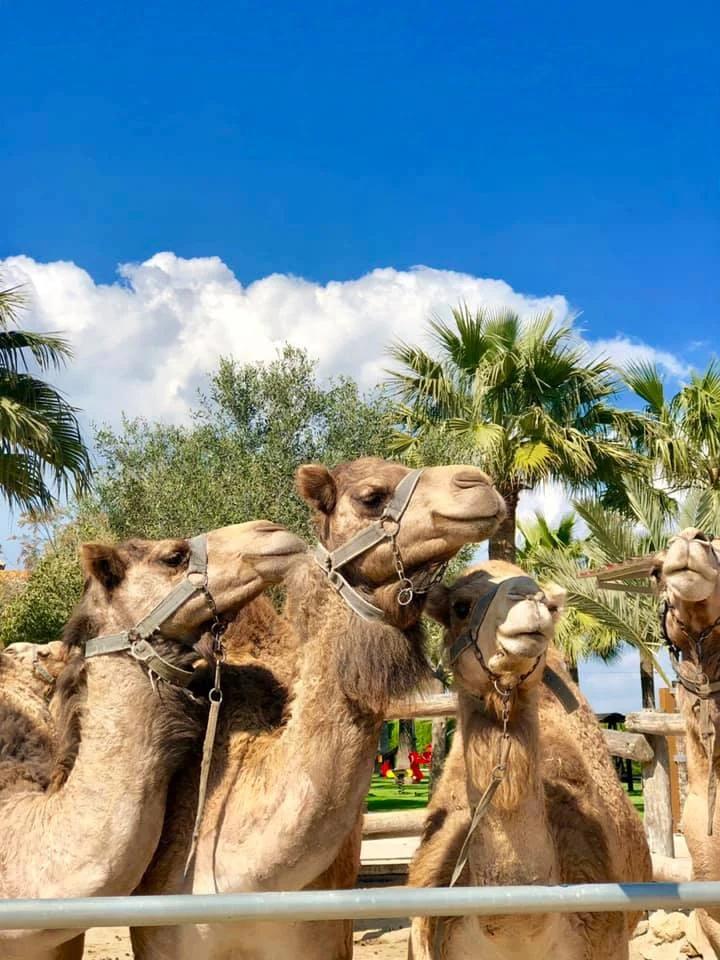
The Camel Park in Mazotos is one of those places that surprises even long-term Cyprus residents. What started in 1998 as a small camel farm gradually evolved into a large, carefully maintained animal park driven by genuine care rather than mass tourism. Today, the park is home to more than 100 animals, including over 60 camels, as well as ostriches, ponies, deer, goats, llamas, alpacas, lemurs, turtles, fish, and a wide variety of birds.
What makes the Camel Park stand out is its atmosphere. This is not a noisy, crowded attraction — it feels open, calm, and personal. Camels here are not anonymous exhibits; each has a name and distinct behavior, and visitors are encouraged to observe rather than rush. Families often spend several hours here without realizing how quickly time passes, while locals appreciate it as a slow, nature-focused weekend escape.
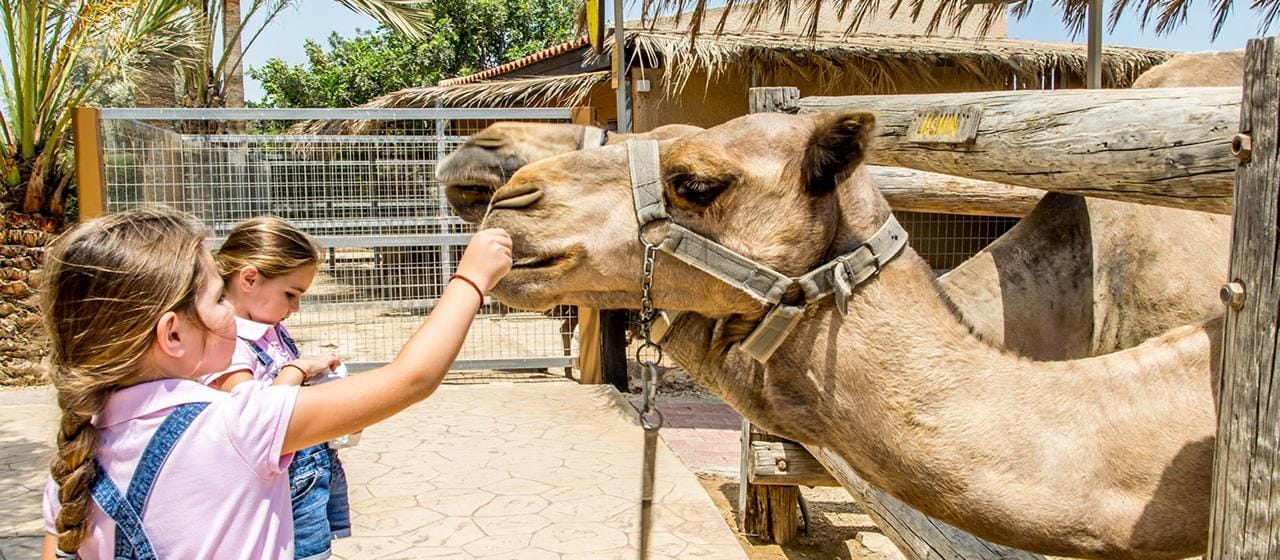
The park is located in Mazotos, approximately 20 minutes from Larnaca and around 45 minutes from Limassol. It is usually open daily from around 9:00 to 18:00 (seasonal variations apply). Entrance tickets cost approximately €8–10 for adults, with reduced prices for children. Camel rides and certain activities are available for an additional fee.
Kykkos Monastery (Troodos Mountains)
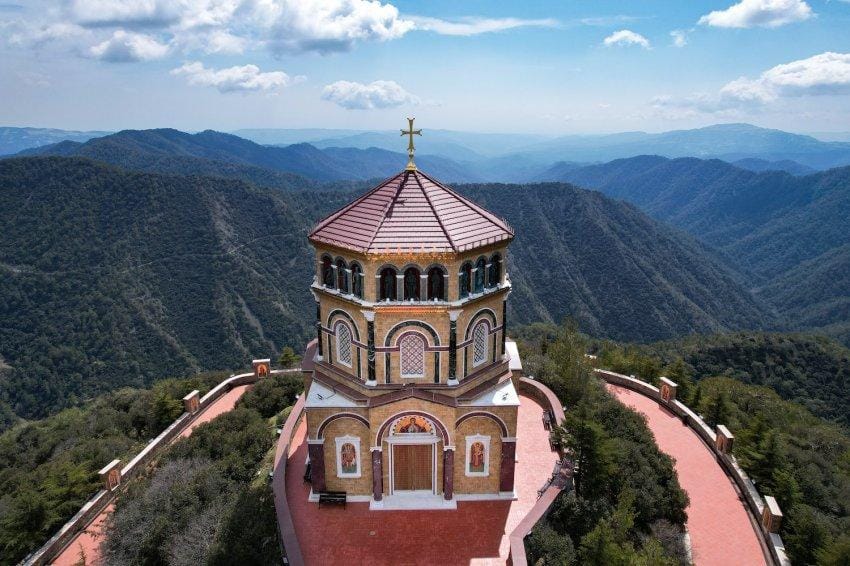
Kykkos Monastery is the most important and revered monastery on the island, founded in the 11th century and deeply woven into Cyprus’s spiritual and cultural identity. According to Orthodox tradition, it houses an icon of the Virgin Mary attributed to the Apostle Luke — a relic that has drawn pilgrims for centuries. Even for non-religious visitors, Kykkos feels less like a historical monument and more like a living institution.
One of the defining aspects of Kykkos is its setting. Reaching the monastery requires a drive through the Troodos Mountains, with winding roads, pine forests, and cooler air. For many locals, this journey itself is part of the ritual — a deliberate step away from coastal cities and everyday pace. The sense of quiet intensifies as you approach the complex.
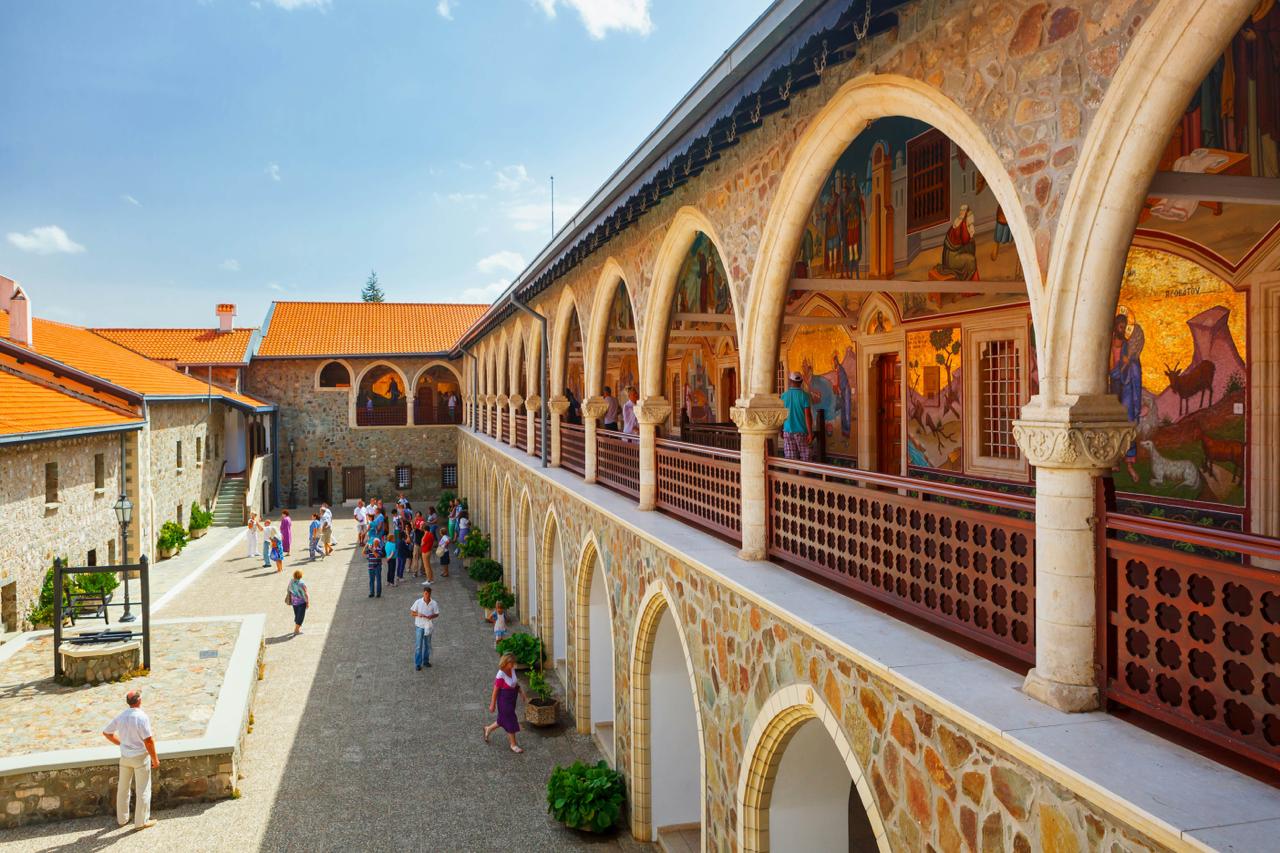
The monastery is open daily, generally from morning until early evening, and entrance to the grounds is free. The Kykkos Museum, which houses icons, manuscripts, ecclesiastical garments, and historical artifacts, operates on set hours (typically around 10:00–16:00 or 17:00) and requires a ticket of approximately €5. Modest dress is expected.
Ancient Kourion (Limassol District)
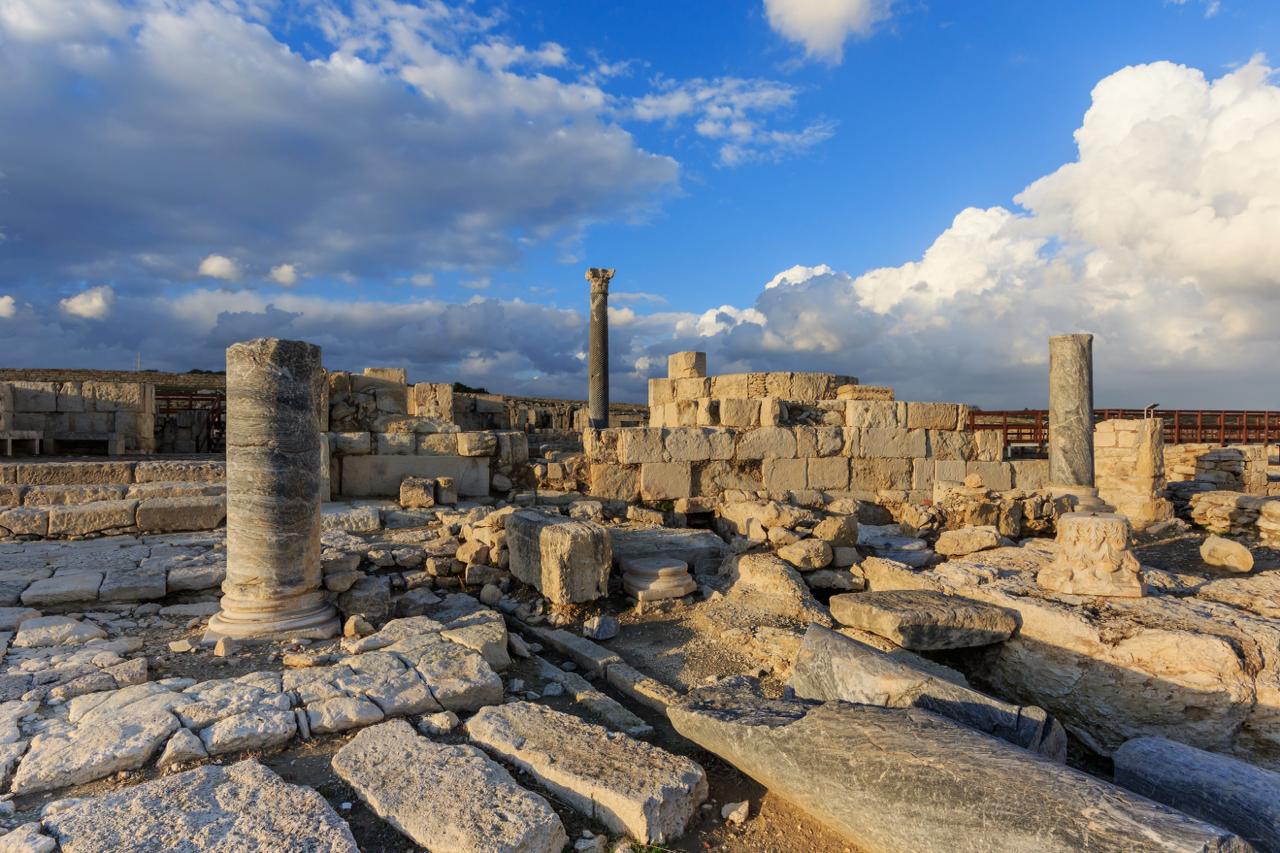
Ancient Kourion is one of Cyprus’s most dramatic archaeological sites, not only because of its history, but because of how perfectly it merges with the landscape. Founded by Greek settlers and later developed under Roman rule, the city reached its peak during the Roman era. Today, its ruins sit high above the Mediterranean, offering sweeping sea views that feel intentional rather than accidental.
The highlight of the site is the Greco-Roman theatre, carved into the hillside and seating around 3,500 spectators. Its acoustics still function remarkably well, and the theatre continues to host performances, especially in summer. This continuity — using an ancient structure for its original purpose — makes Kourion feel alive, not frozen in time.
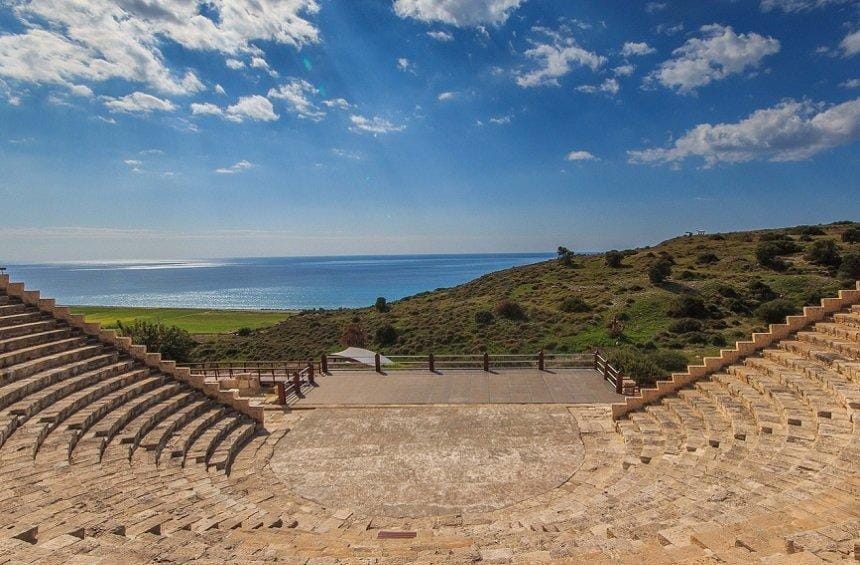
Kourion is located about 20 minutes west of Limassol and is easily accessible by car. The archaeological park is open daily, typically from 8:30 until late afternoon or early evening depending on season. Entrance costs approximately €4.50–5. Visiting early morning or near sunset is recommended due to heat and lighting.
Liberty Square (Nicosia)
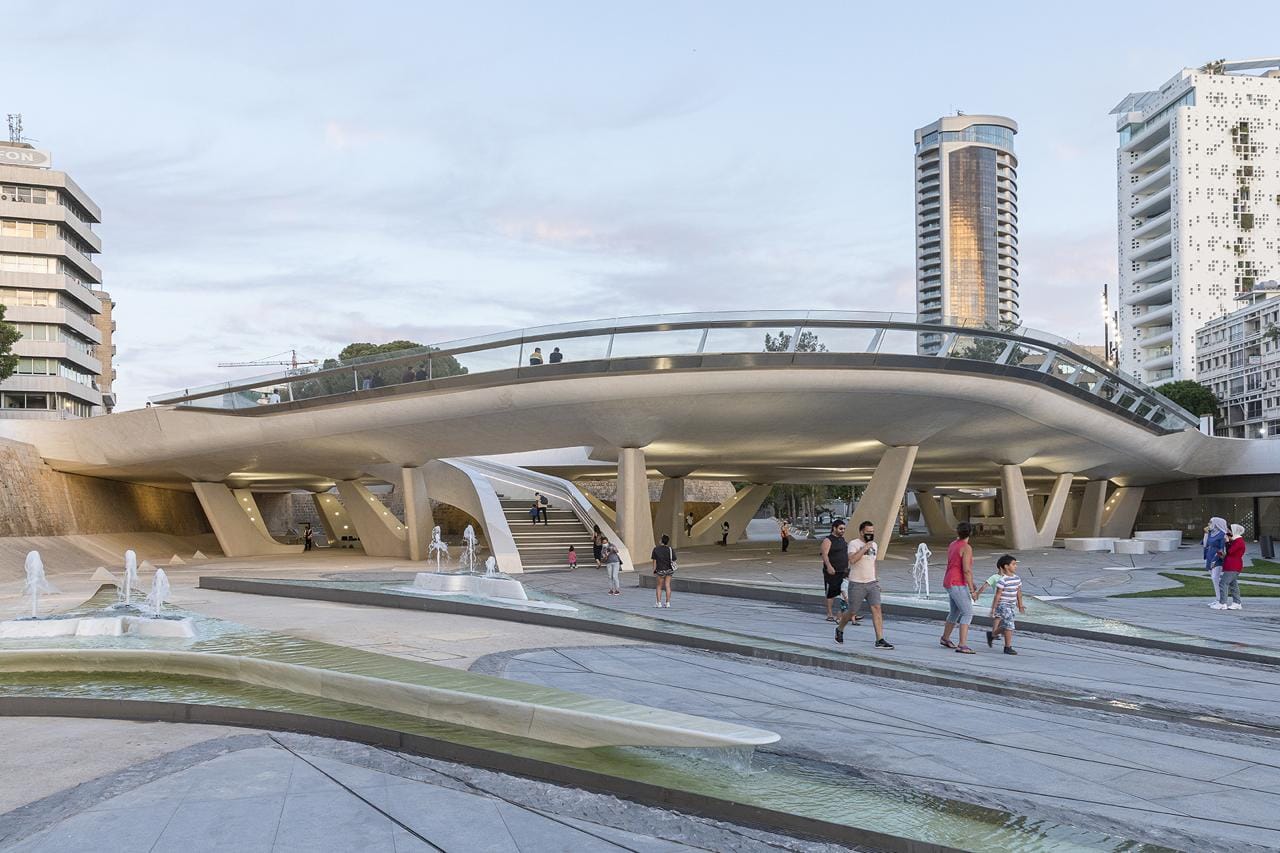
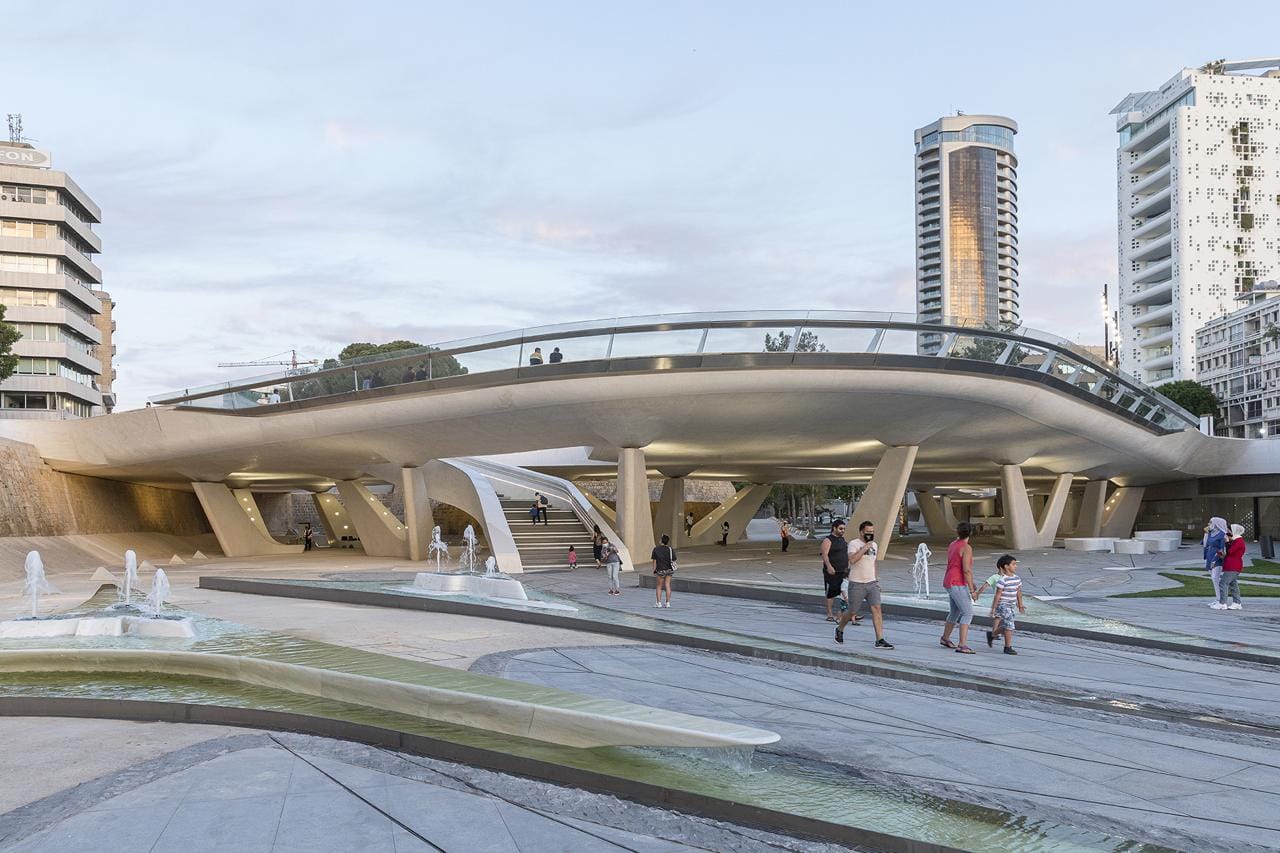
Liberty Square represents modern Cyprus in architectural form. Redesigned by Zaha Hadid Architects, the project transformed a former city moat and fragmented public area into a fluid, contemporary urban space. Rather than imposing a monument, the design reshapes movement — guiding pedestrians between the old city walls and modern Nicosia.
For locals, Liberty Square functions as a daily crossroads. Office workers pass through in the morning, families and tourists wander during the day, and evenings bring a relaxed social atmosphere. The square does not demand attention — it integrates quietly into the city’s rhythm, which is precisely what makes it successful.
Located in central Nicosia, Liberty Square is open 24/7 and free to access. There are no tickets or formal hours. It also serves as a convenient starting point for exploring the old city on foot, including Ledra Street and nearby museums.
Larnaca Salt Lake (Aliki)
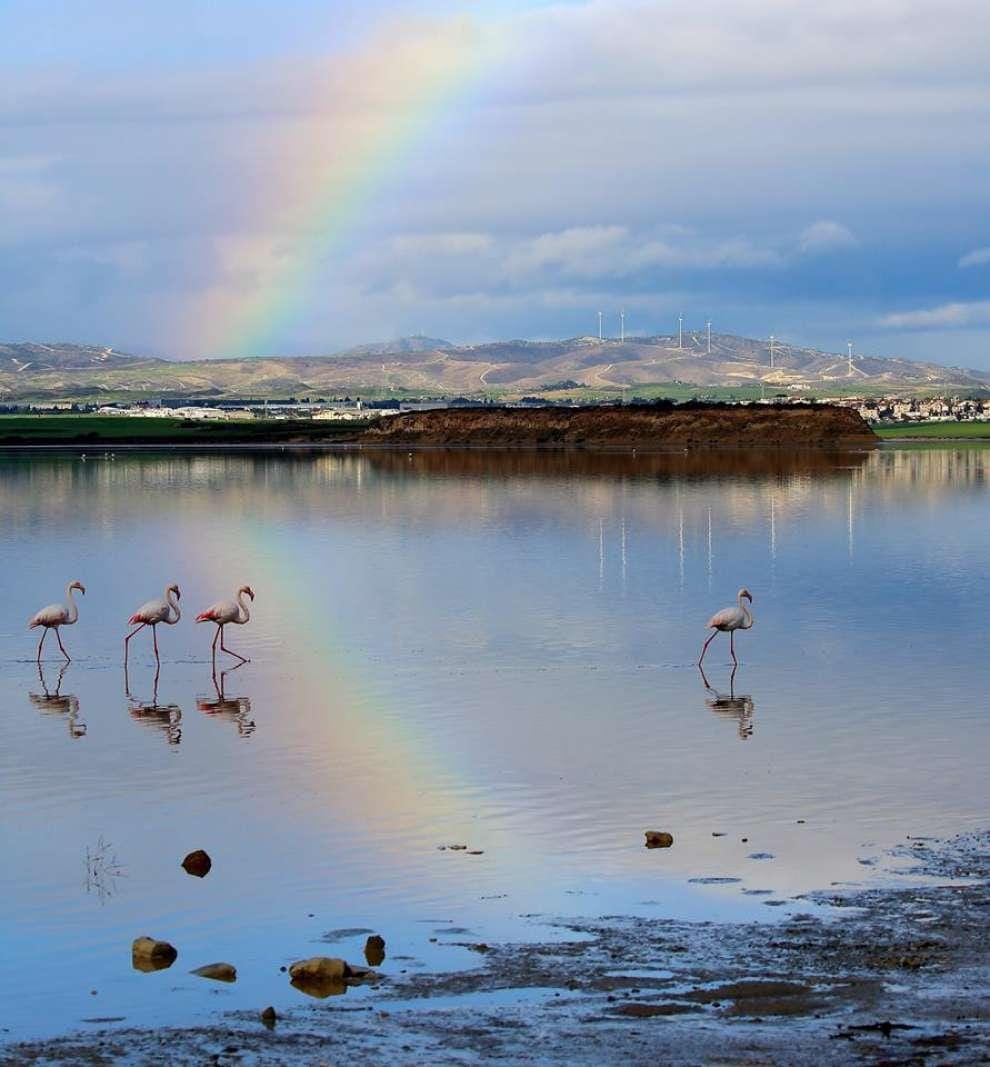
Larnaca Salt Lake is a place defined by transformation. In summer, it dries into a wide, white salt plain that reflects the sun and feels almost surreal. In winter, rain fills the basin, turning it into a shallow lake that becomes home to thousands of migratory birds, including flamingos, swans, and wild ducks.
The seasonal arrival of flamingos is particularly significant for locals — it marks a shift in rhythm and draws both residents and visitors to the lake’s walking paths. Despite being so close to Larnaca International Airport, the area feels unexpectedly peaceful, highlighting Cyprus’s unique balance between nature and infrastructure.
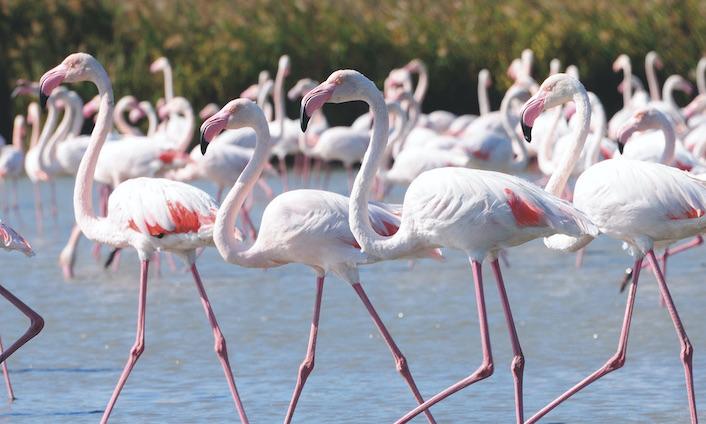
The lake is located between Larnaca and Dromolaxia and is accessible at any time. Entry is free and unrestricted. There are no official opening hours, making it ideal for early-morning walks, sunset visits, or quiet pauses between flights.
Troodos Observatory (Agridia)
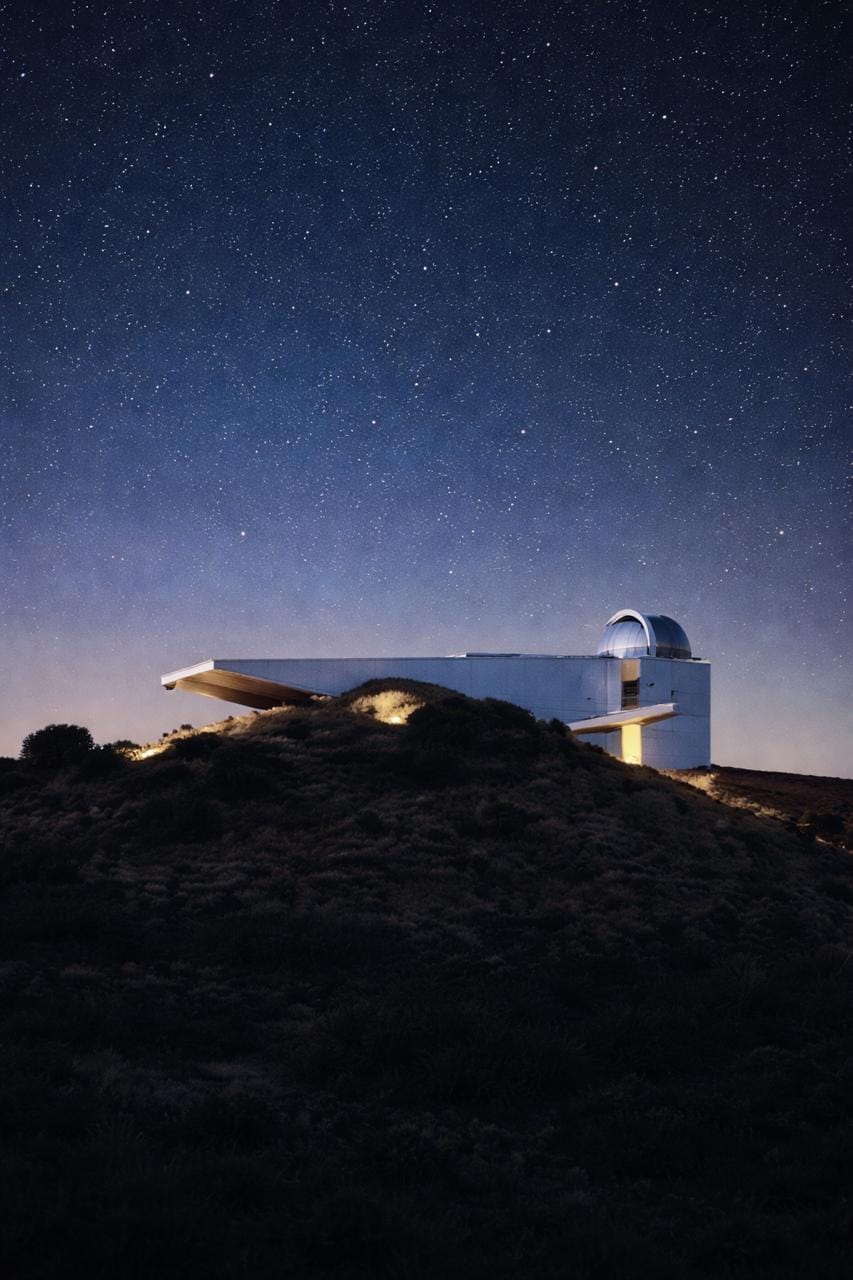
Troodos Observatory marks a shift in how Cyprus presents itself — not only as an island of ancient history, but also of science and innovation. Its futuristic design contrasts sharply with the surrounding mountains, yet feels deliberate, as if the structure is emerging from the landscape rather than sitting on it.
The observatory’s greatest asset is the darkness of the surrounding sky. With minimal light pollution, the Troodos Mountains offer some of the clearest stargazing conditions on the island. Visitors can observe celestial objects using professional telescopes, making astronomy tangible rather than abstract.
Located near Agridia village in the Troodos Mountains, the observatory operates on scheduled programs. Daytime and nighttime sessions vary, and tickets typically range from €10 to €20 depending on the experience. Advance booking is recommended, especially for evening observations.
Athalassa National Forest Park (Nicosia)
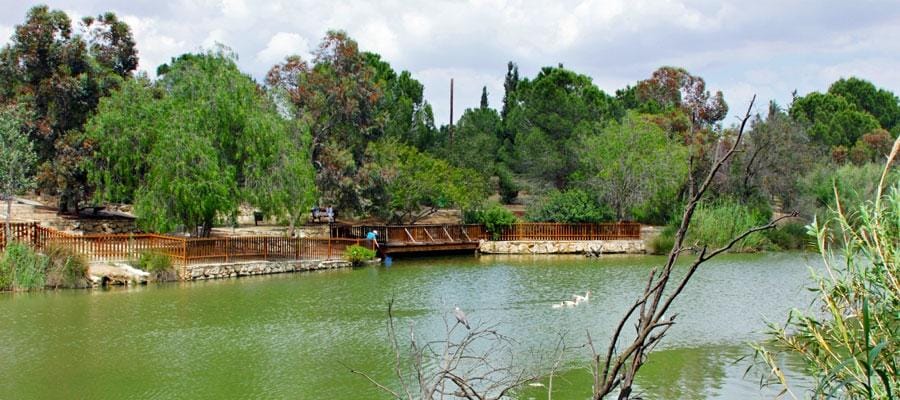
Athalassa National Forest Park is the largest green space in Nicosia and one of the city’s most important everyday escapes. Covering around 840 hectares, it blends open landscapes, lakes, forested areas, and botanical zones into a space that feels natural rather than curated.
For residents, Athalassa is part of daily life — used for jogging, walking, picnics, and family outings. For visitors, it offers a rare look at how the capital breathes beyond museums and historic streets. The park’s openness allows each visitor to create their own pace and purpose.

Located about 5 km from central Nicosia, the park is open daily with free entry and no fixed closing hours. Facilities such as playgrounds, picnic areas, and cycling paths are spread throughout the park.
Cyprus Archaeological Museum (Nicosia)
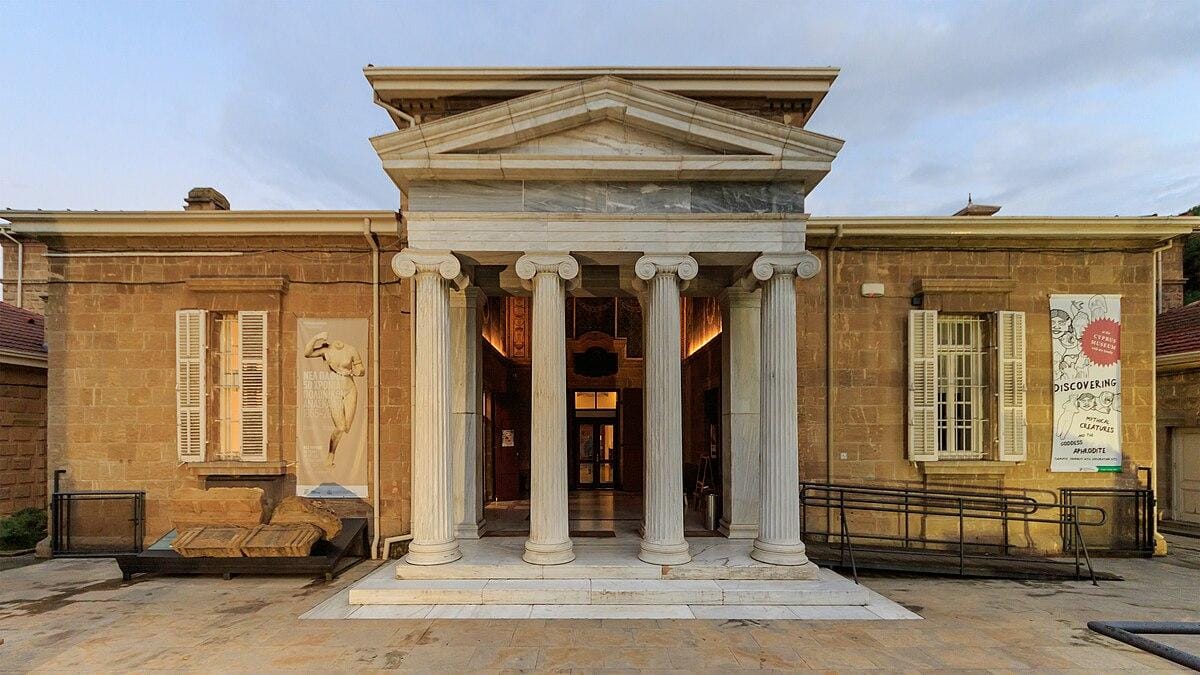
The Cyprus Archaeological Museum is the island’s most comprehensive historical collection and an essential stop for understanding Cyprus beyond surface impressions. Its exhibitions follow a clear chronological structure, guiding visitors from prehistoric settlements through classical, Roman, and later periods.
What makes the museum engaging even for non-specialists is its focus on everyday life. Tools, ceramics, figurines, and personal items humanize history, making it easier to relate to people who lived on the island thousands of years ago.
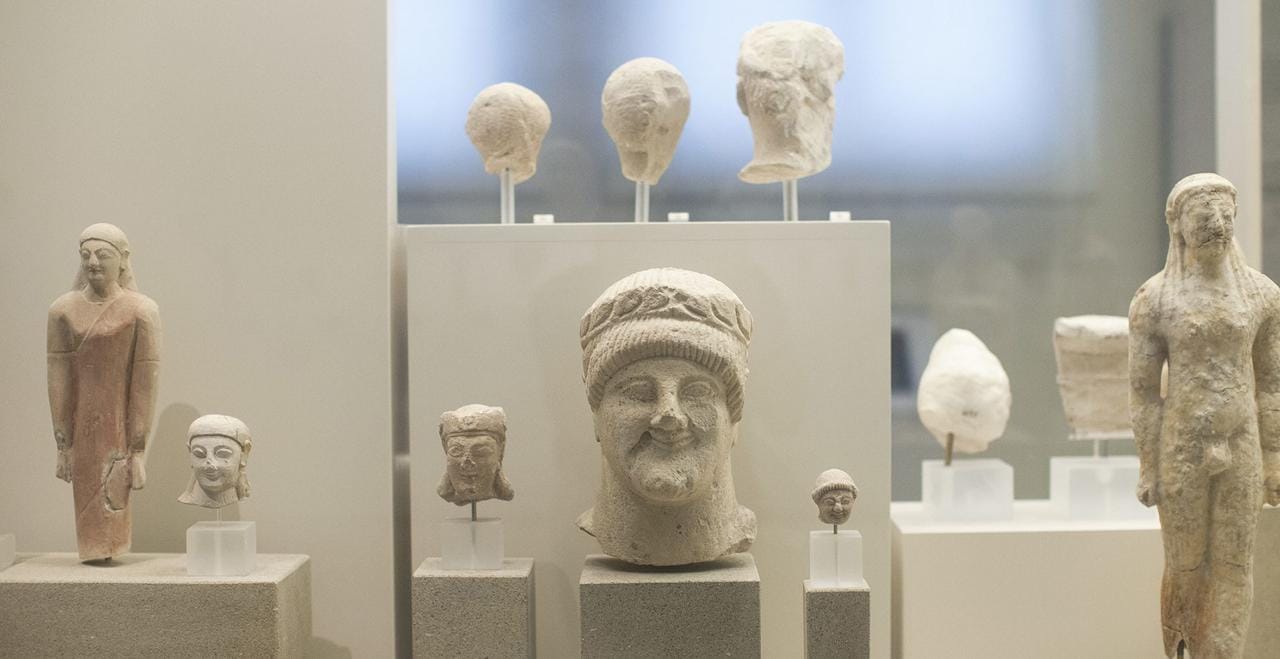
The museum is located in central Nicosia and is typically open from around 8:30 to 16:30 (with reduced hours on weekends). Entrance costs approximately €4.50. It is well suited for both short visits and deeper exploration.
Ledra Street (Nicosia)
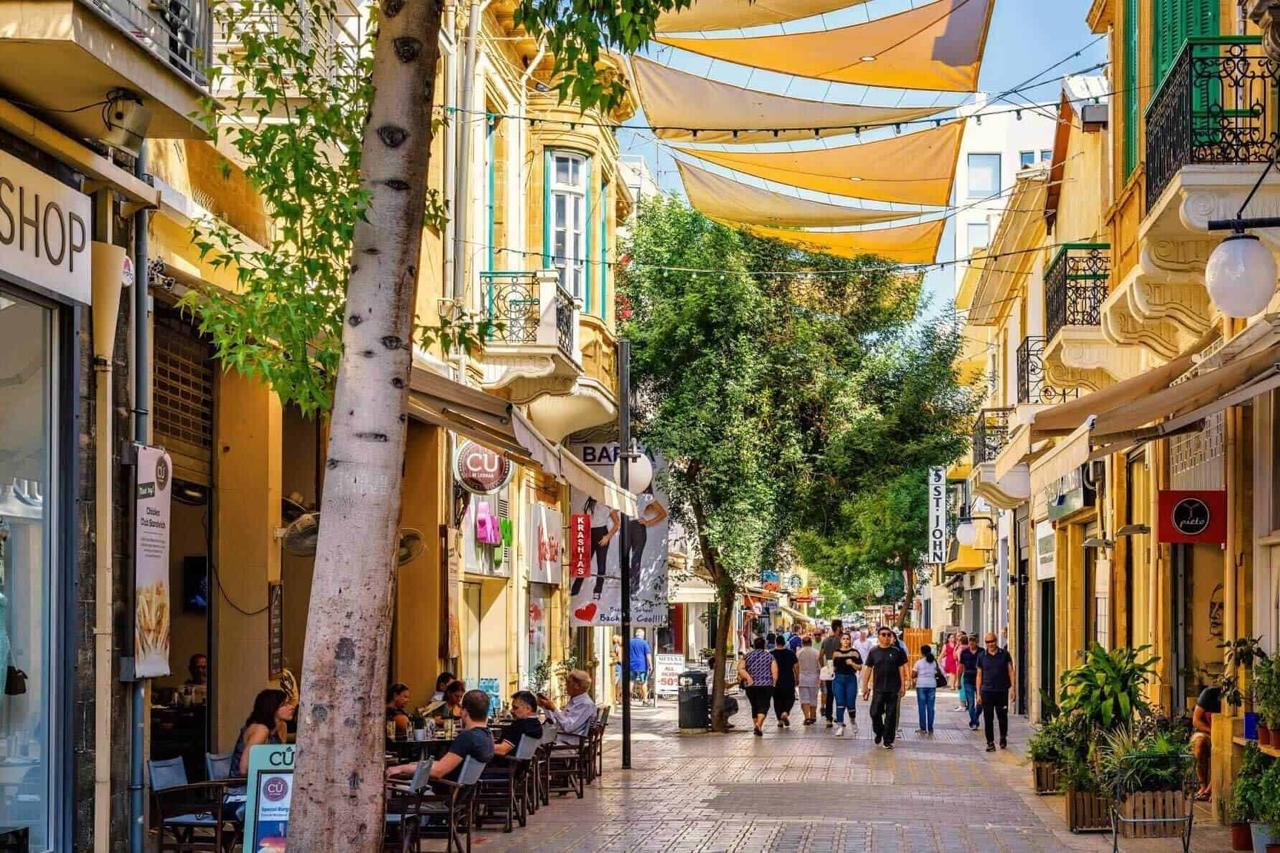
Ledra Street is the emotional and social spine of Nicosia’s old town. Once divided by the Green Line, it now functions as a pedestrian artery filled with cafés, shops, and everyday life. Walking here feels natural and unforced, which is why it appeals equally to tourists and locals.
The street carries visible and invisible layers of history — Roman foundations, Venetian fortifications, colonial influences, and modern reunification efforts. Rather than presenting this history formally, Ledra allows it to exist quietly in the background.
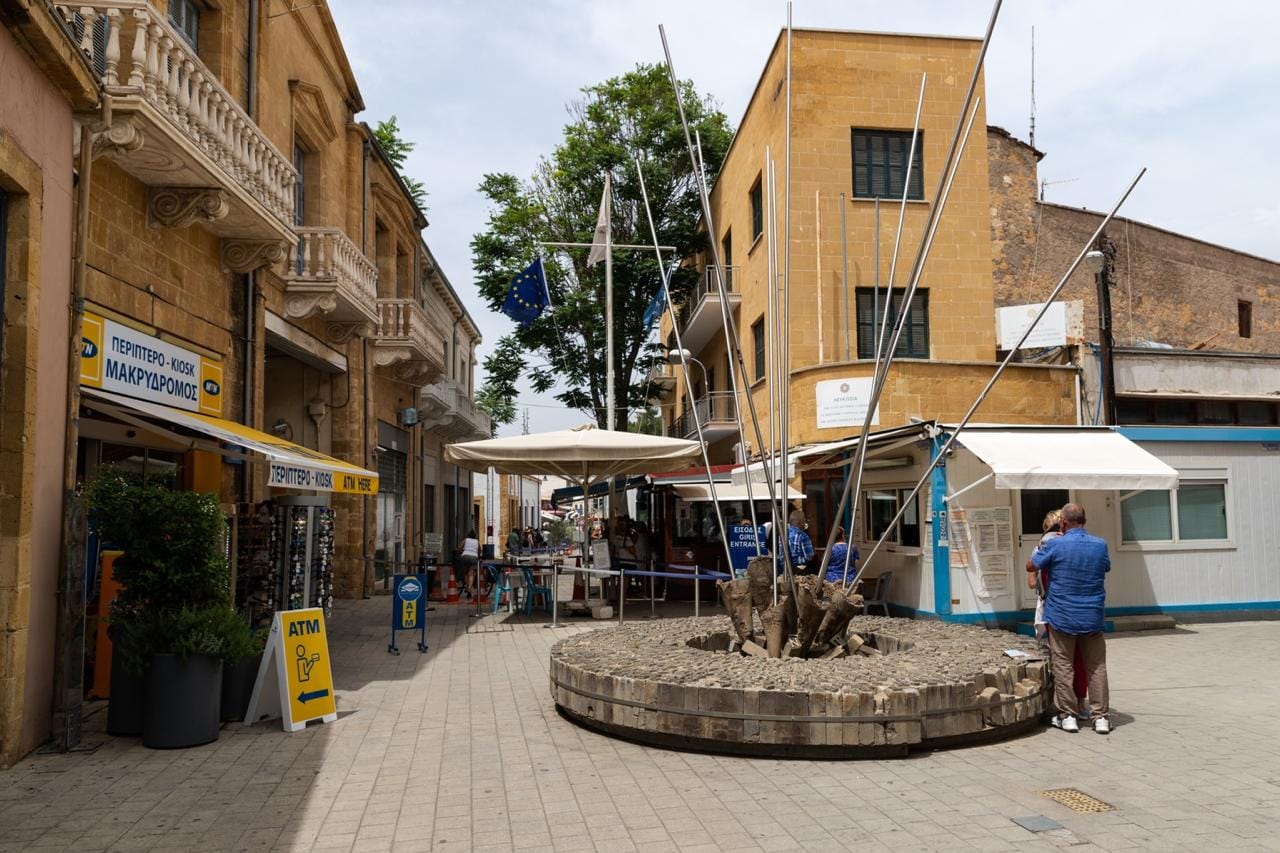
Ledra Street is located in central Nicosia and is accessible at all hours. Shops and cafés follow their own schedules, but the street itself never closes. Evenings are particularly lively.
Ayia Napa Sculpture Park
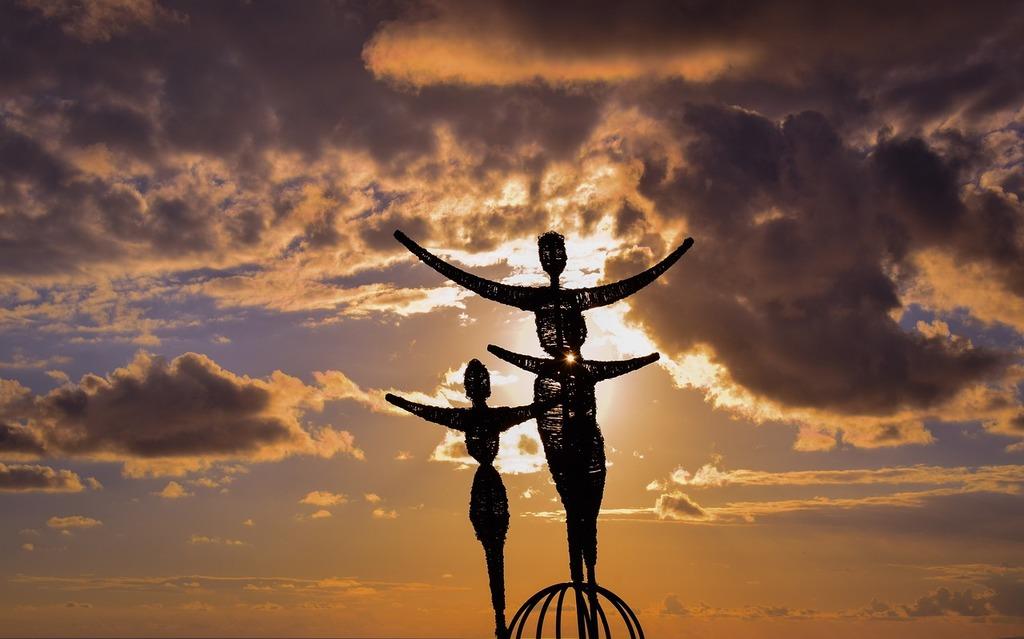
The Ayia Napa Sculpture Park is one of the largest open-air sculpture parks in Europe, yet it remains relatively understated. Hundreds of sculptures by international artists are placed directly into the landscape, allowing visitors to move freely without predefined routes.
The experience changes depending on time of day. Morning light highlights textures, while sunset transforms the park into a dramatic visual space overlooking the sea. The nearby Cactus Park adds contrast, offering a quieter, botanical extension of the walk.
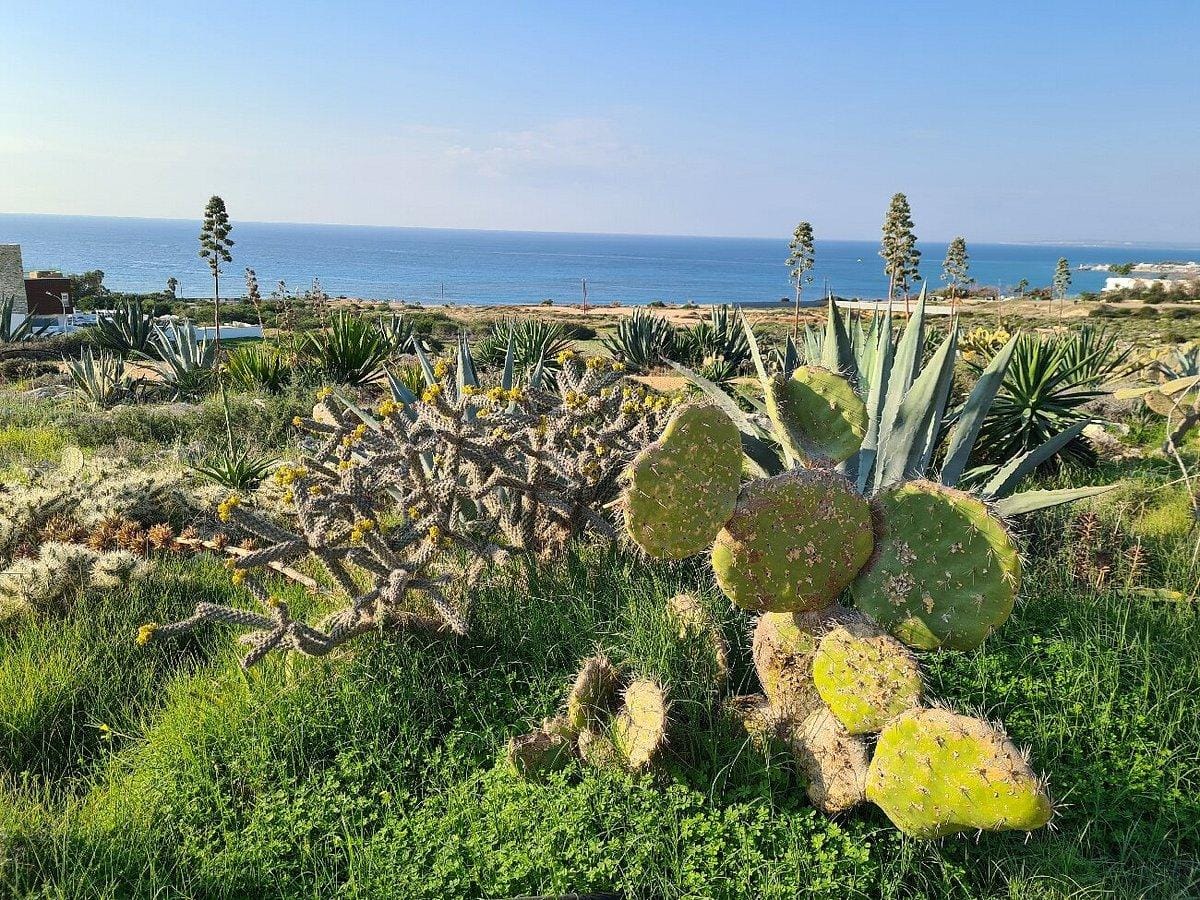
Located on the road to Cape Greco, the park is open 24/7 and free of charge. There are no barriers or tickets, making it ideal for spontaneous visits and slow exploration.
Plan your journey across Cyprus with our interactive map
Each of these places reveals a different layer of Cyprus — from ancient cities shaped by empires to quiet natural landscapes and contemporary urban spaces. Together, they form a connected picture of the island, where history, nature, and everyday life exist side by side.
To make exploration simple and intuitive, all featured cultural and natural sites are brought together on our interactive map. It allows you to plan routes, understand distances, and discover how landmarks, museums, parks, and landscapes relate to one another — all at a glance.
Whether you’re planning a short local outing or a deeper journey across the island, the map becomes a starting point for exploring Cyprus thoughtfully, beyond isolated attractions, and at your own pace.