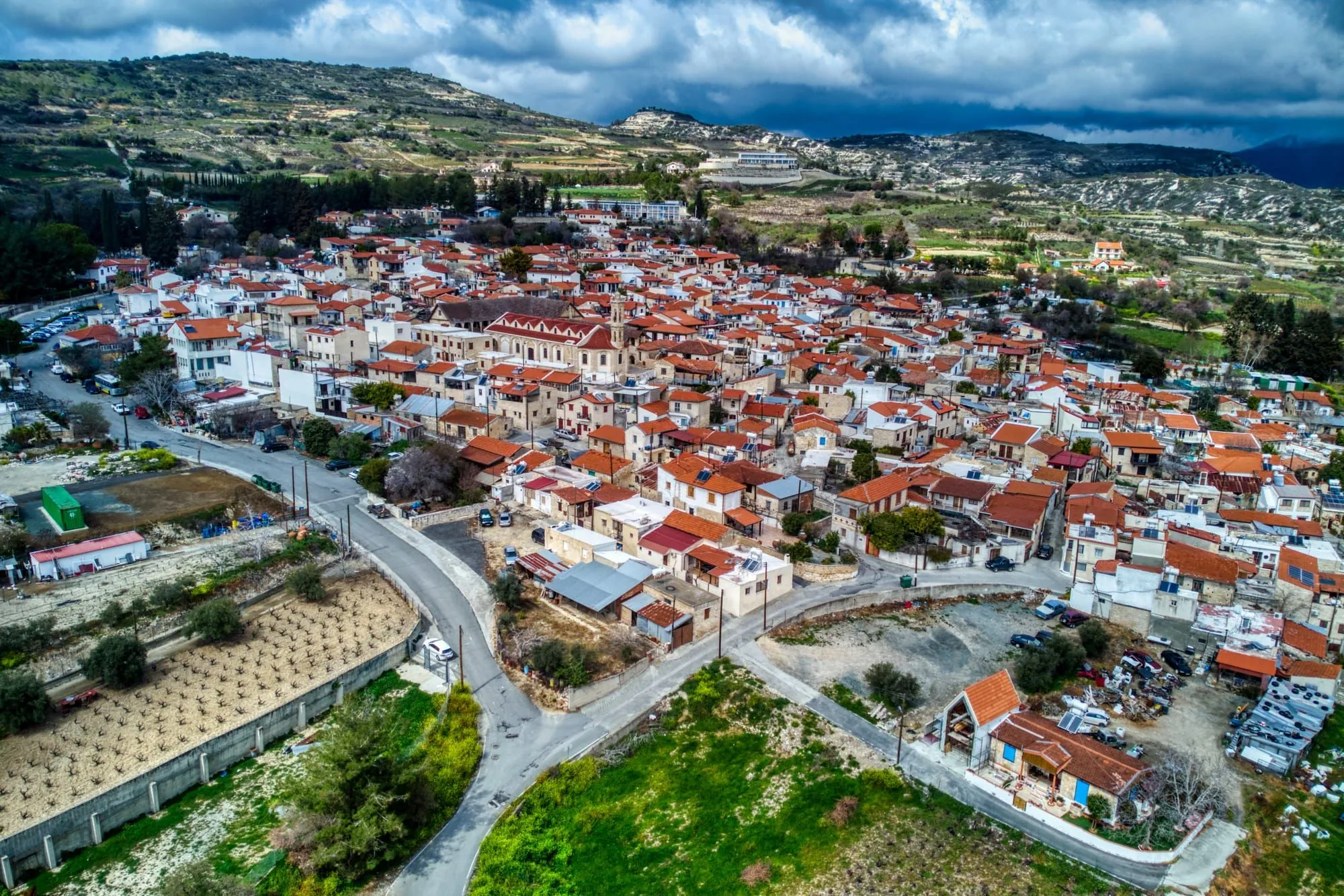
To explore more photos, see exactly where each stop is located, and build your own ideal route, use our interactive map.: it is the easiest way to view every location, understand the route, check the distances between stops, and build your ideal day without unnecessary hassle.
This route is a contrast-rich cocktail packed into a single day: a morning of sea air and salt-flat landscapes in Akrotiri, a monastery wrapped in cat legends, then a medieval castle and ancient ruins, and finally a wine village with a tasting at around 800 metres above sea level. It is arranged as a logical loop and feels far more like a proper journey than a standard tourist checklist.
Why this route feels different
Southern Cyprus is usually sold through postcard clichés: beaches, sea views, pretty façades, and the usual lookout points. But this route works differently. It begins in landscapes that feel nothing like the classic idea of Cyprus: salt lakes, semi-desert scenery, birdlife, and the open expanses around Akrotiri. Then the day shifts dramatically in mood, taking you through medieval history, antiquity, and finally into the wine-growing depth of inland villages.
That is exactly what makes this route so memorable. It does not feel like a random collection of stops, but like a carefully paced sequence of changing atmospheres. In a single day, you see Southern Cyprus in several completely different moods — and that is why it stays with you.
In practical terms, it is also very manageable. You will usually spend around 2.5 to 3 hours actually driving, with the rest of the day given over to proper stops, short walks, lunch, and places where you genuinely want to linger.
Route Table
The Route: a ready-made one-day itinerary
1. Lady’s Mile Beach
Type: beach
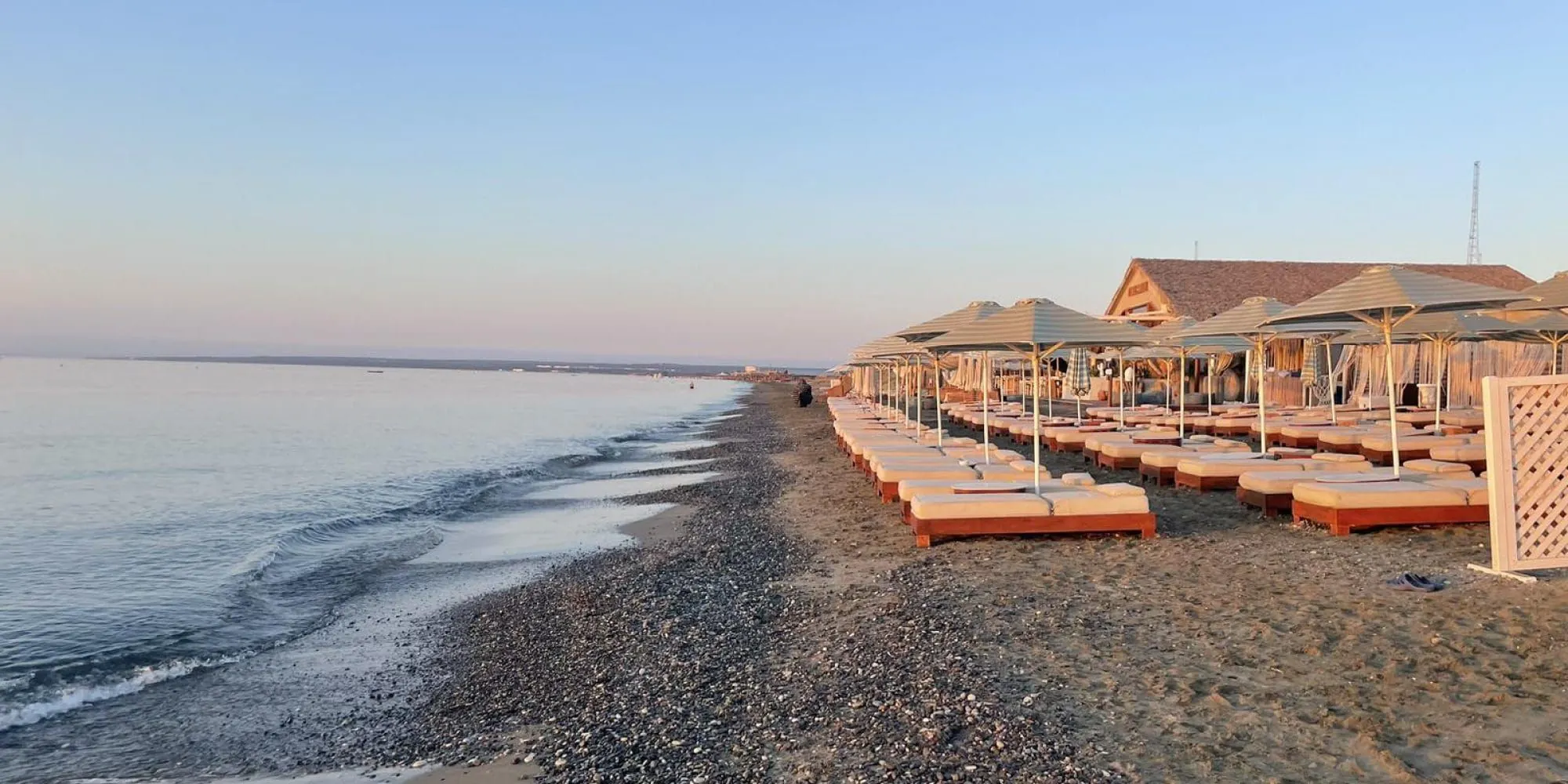
The day is best started at Lady’s Mile, a long stretch of beach in Akrotiri that works perfectly as an opening scene. This is not postcard Cyprus in the usual sense. Here, the sea meets salt-swept terrain, and the shoreline next to the lake and wide open land creates the feeling that you have arrived somewhere between water, salt, and steppe rather than on a typical resort coast.
That is exactly why it feels special. It sets the tone for the entire day: from the very first stop, you step away from the obvious version of the island and into something with more character.
It is best visited in the morning, when the light is softer, there are fewer people, and the heat has not yet settled over the coast. If you are not planning to swim, 25 to 40 minutes is usually enough here.
2. Limassol Salt Lake
Type: natural site
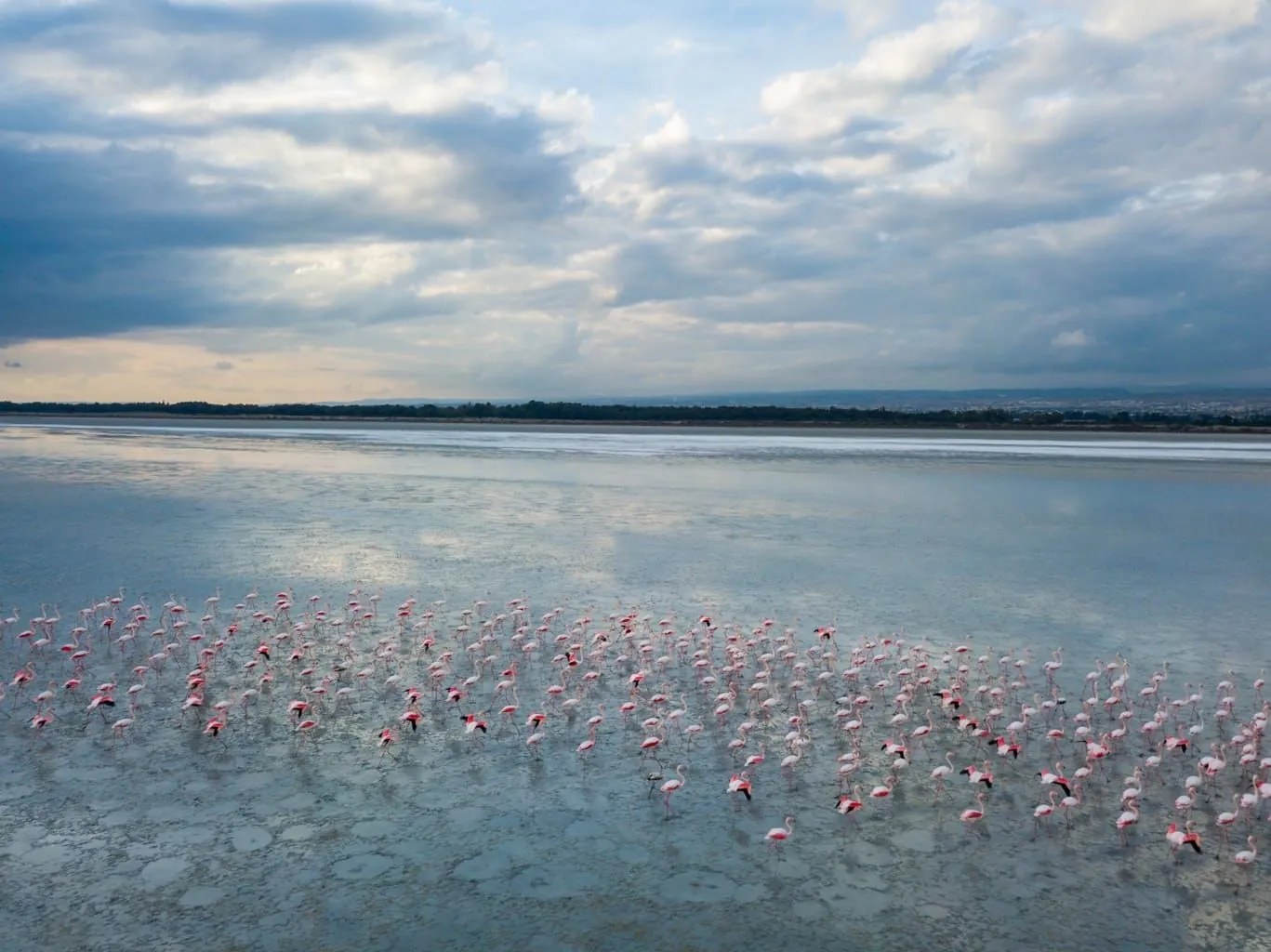
From there, the route moves on to Limassol Salt Lake, the largest inland salt lake on the island. It is one of the most interesting natural sites near Limassol precisely because it defies expectations. In summer, it dries out and turns into an almost surreal landscape of salt crusts and flat horizons. In cooler months, water returns, along with birdlife including flamingos.
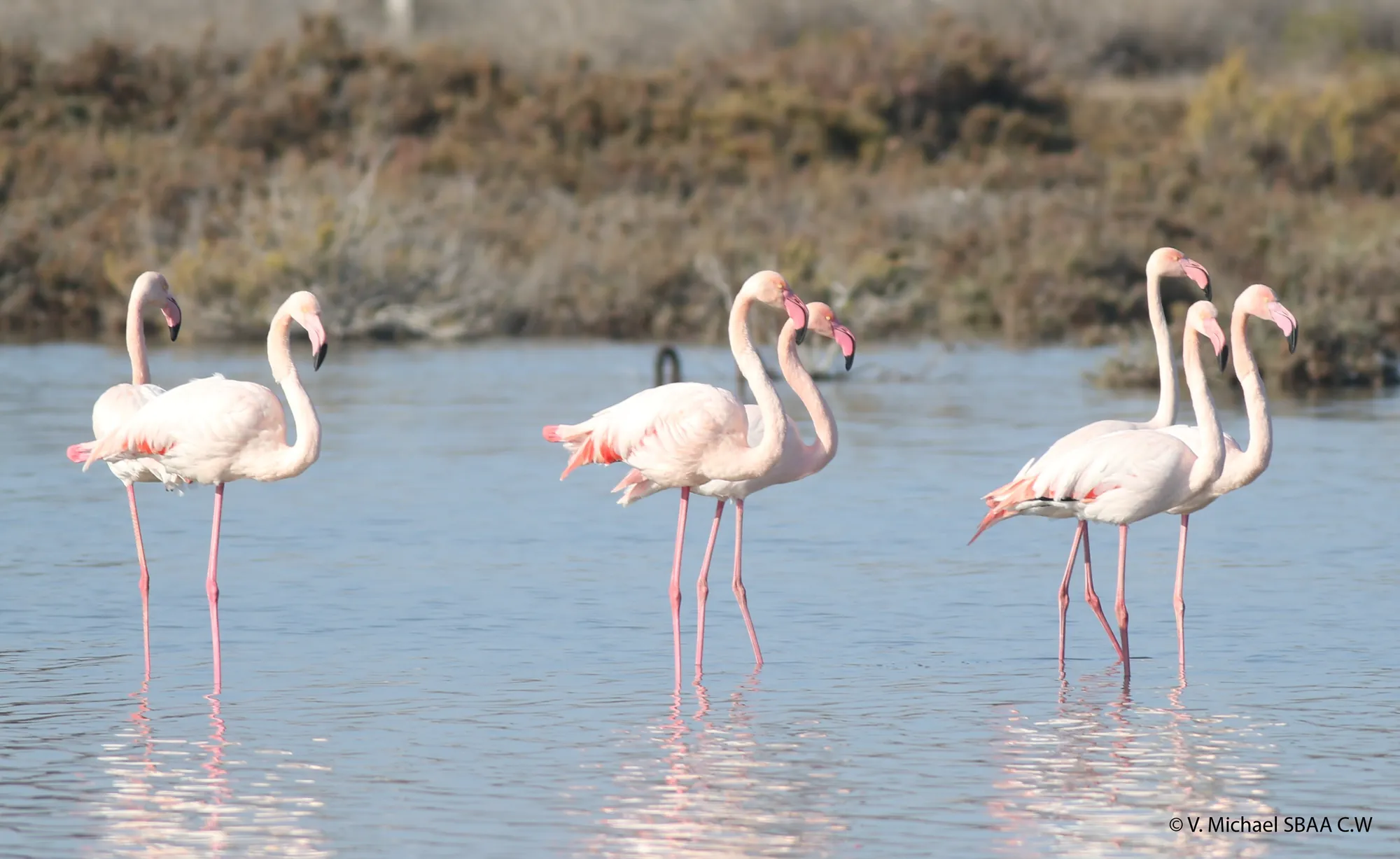
What makes this place so strong is that it does not need much explanation or entertainment — it simply works on its own. A brief stop is enough to feel the scale of the landscape and to see a version of Cyprus that feels entirely different from the one most visitors imagine.
If you visit during migration season, you may well want to stay longer for the birds. In hotter months, it becomes more of a short but striking visual stop.
3. Agios Nikolaos ton Gaton
Type: monastery / hidden sight
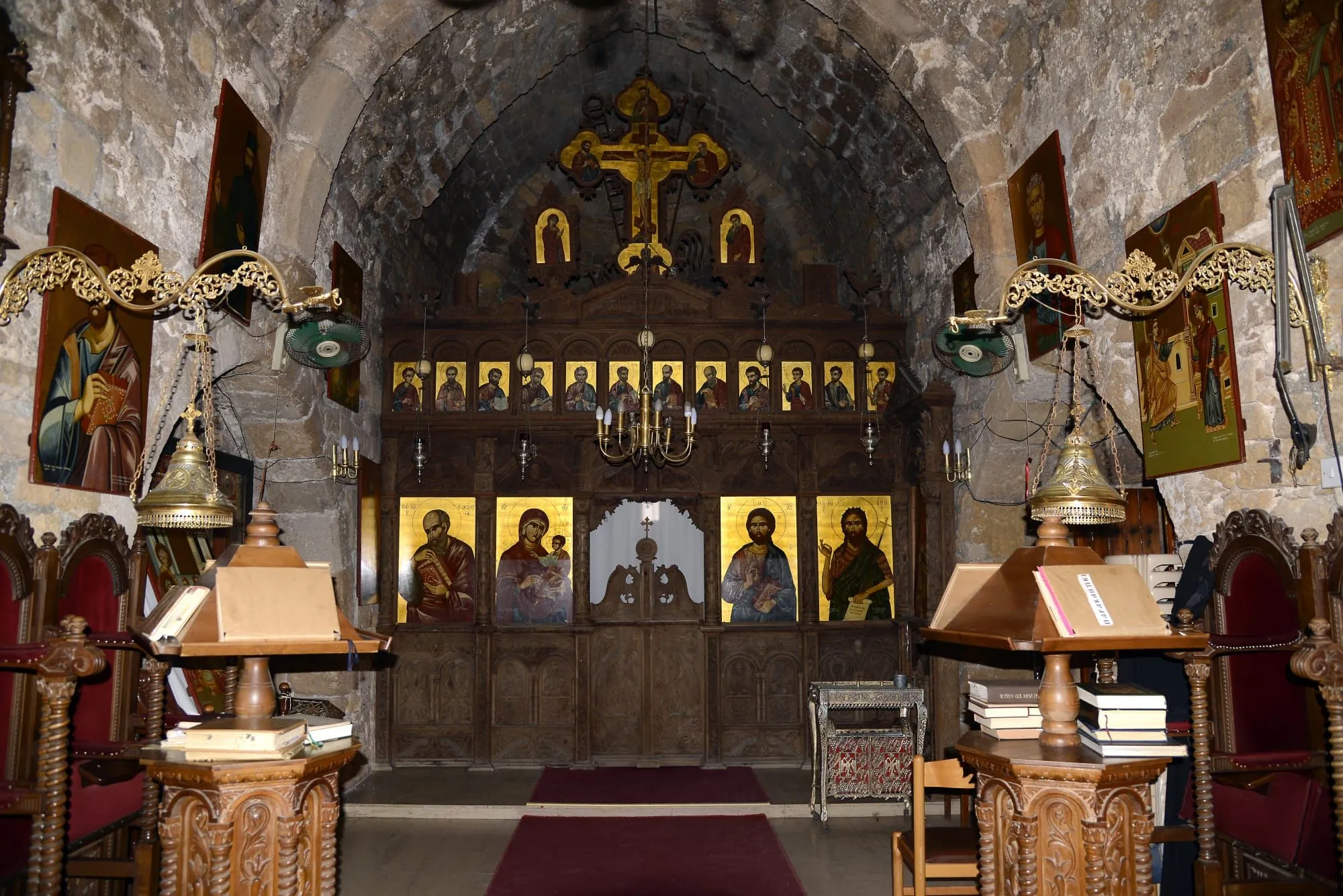
The next stop is the Monastery of Saint Nicholas of the Cats, one of the most unusual places on the entire route. This is not the kind of monastery you visit simply to tick off a church and move on. People come here for the atmosphere, the legend, and the famous connection with cats, which makes the place feel alive and entirely unlike most religious sites on the island.
That is what makes it memorable. It does not impress through scale, but through its quiet, almost intimate energy. Within this route, it fits perfectly: after the salt, the wind, and the open landscapes of Akrotiri, you arrive somewhere unexpectedly human, calm, and distinctive.
It works well as a short pause of 25 to 40 minutes. It is worth remembering that the monastery may close during the middle of the day.
4. Kolossi Castle
Type: historic site / castle
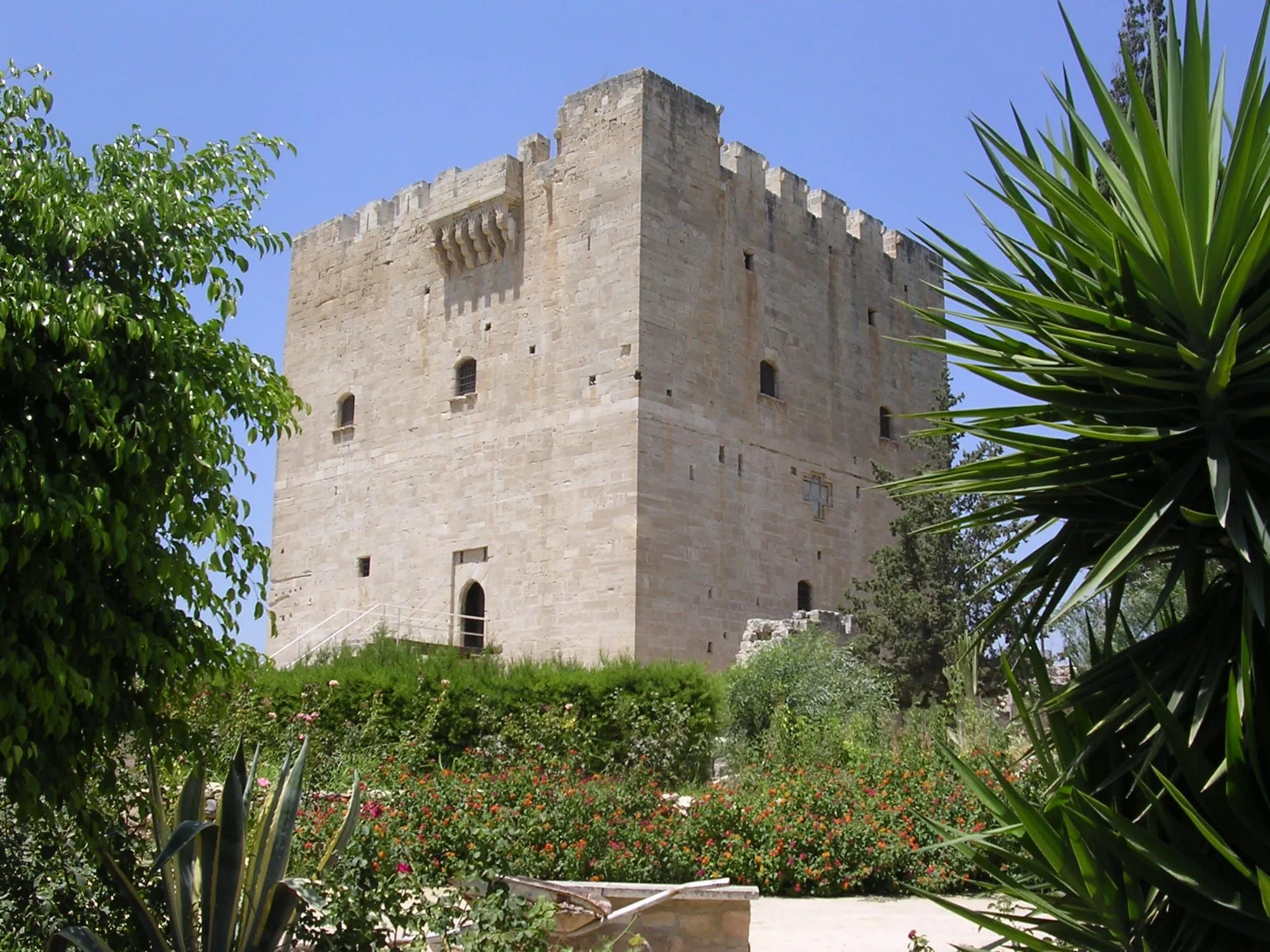
After Akrotiri and the monastery, the route shifts decisively towards history, and Kolossi Castle is the perfect next step. It is a compact medieval castle that delivers a strong sense of period without requiring half a day of your time.
Its appeal lies in the fact that it is not just another old fortress. It is closely tied to the story of trade, sugar, and Commandaria, the famous sweet wine associated with the area. Because of that, it feels substantial rather than decorative.
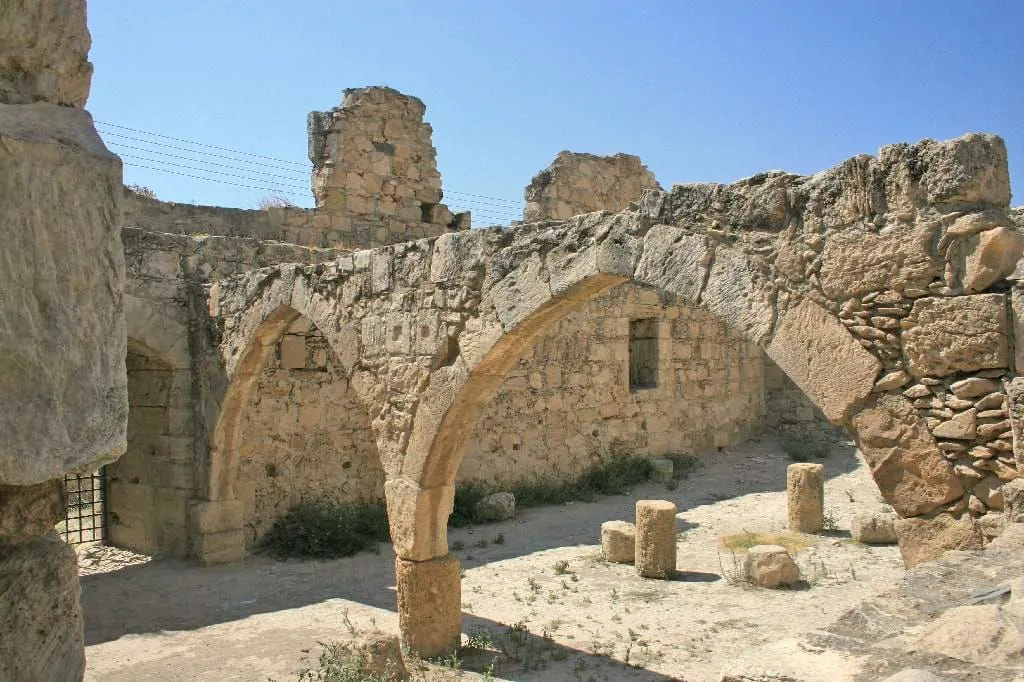
Kolossi fits neatly into the day because it adds a strong historical accent without overloading the itinerary. Around 30 to 45 minutes is usually enough.
5. Kourion Archaeological Site
Type: archaeology / antiquity
Kourion is the true showstopper of the route. It is one of the strongest archaeological sites in Southern Cyprus, where antiquity feels not like a pile of ruins, but like something immense and vividly present. The theatre above the sea, the coastal panorama, the mosaics, and the remains of the ancient city all come together to make a genuinely powerful impression.
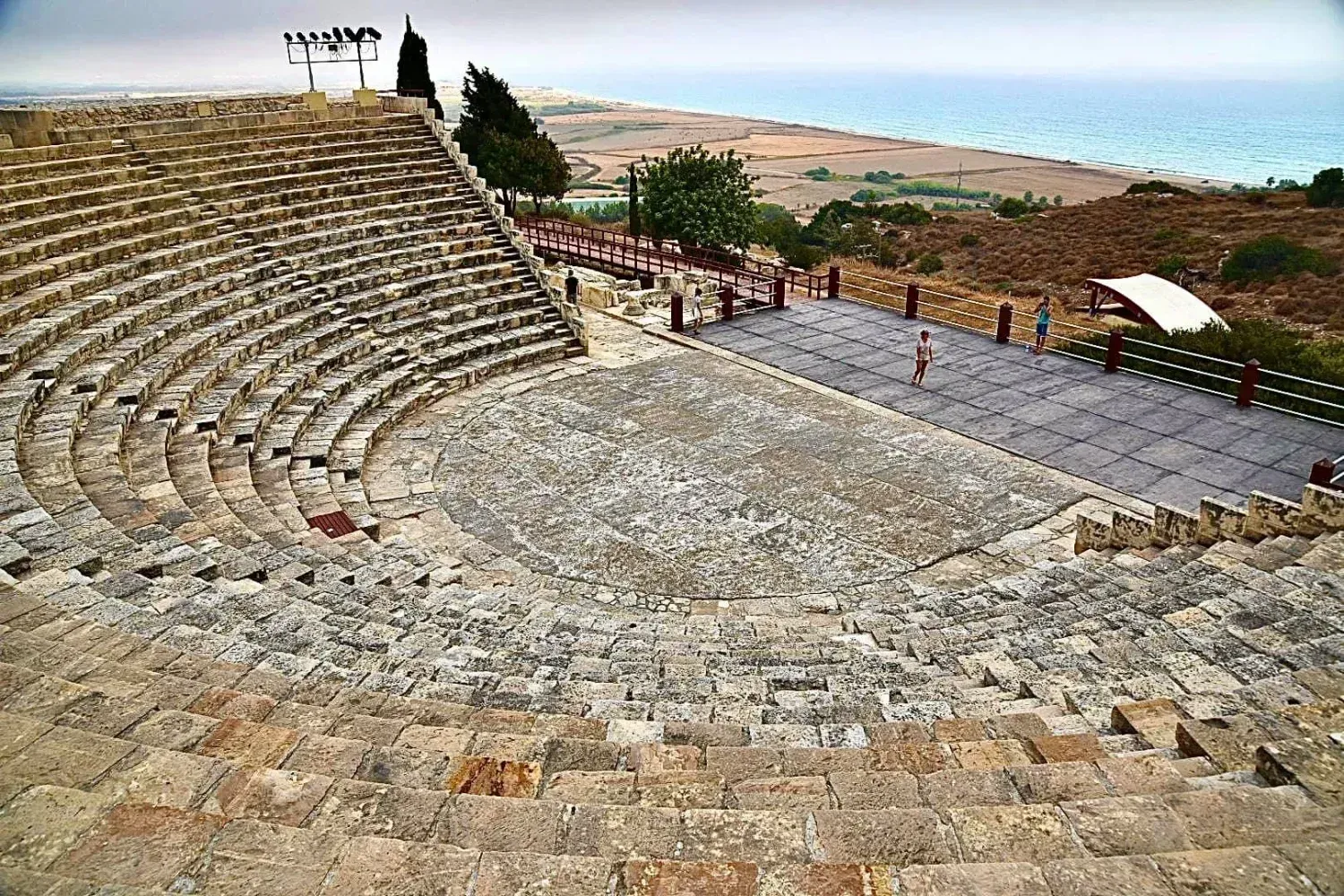
Even people with little interest in archaeology often stay here longer than planned. The topography does a great deal of the work: you are looking at history and the sea at the same time, which makes Kourion feel almost cinematic.
This is not a place to rush through. If you want to experience it properly, allow at least 70 to 90 minutes.
6. Sanctuary of Apollo Hylates
Type: archaeology / ruins
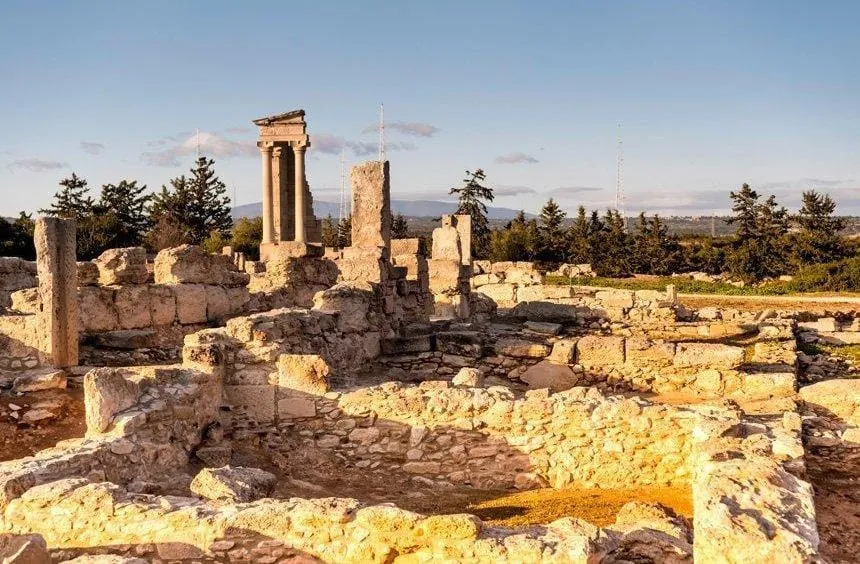
After Kourion, the route continues naturally to the Sanctuary of Apollo Hylates — a place that often remains overshadowed by its more famous neighbour, despite being a strong site in its own right. If Kourion is the grand dramatic scene, this sanctuary works in a subtler way: less spectacle, more sense of archaeological space that is pleasant to walk through at your own pace.
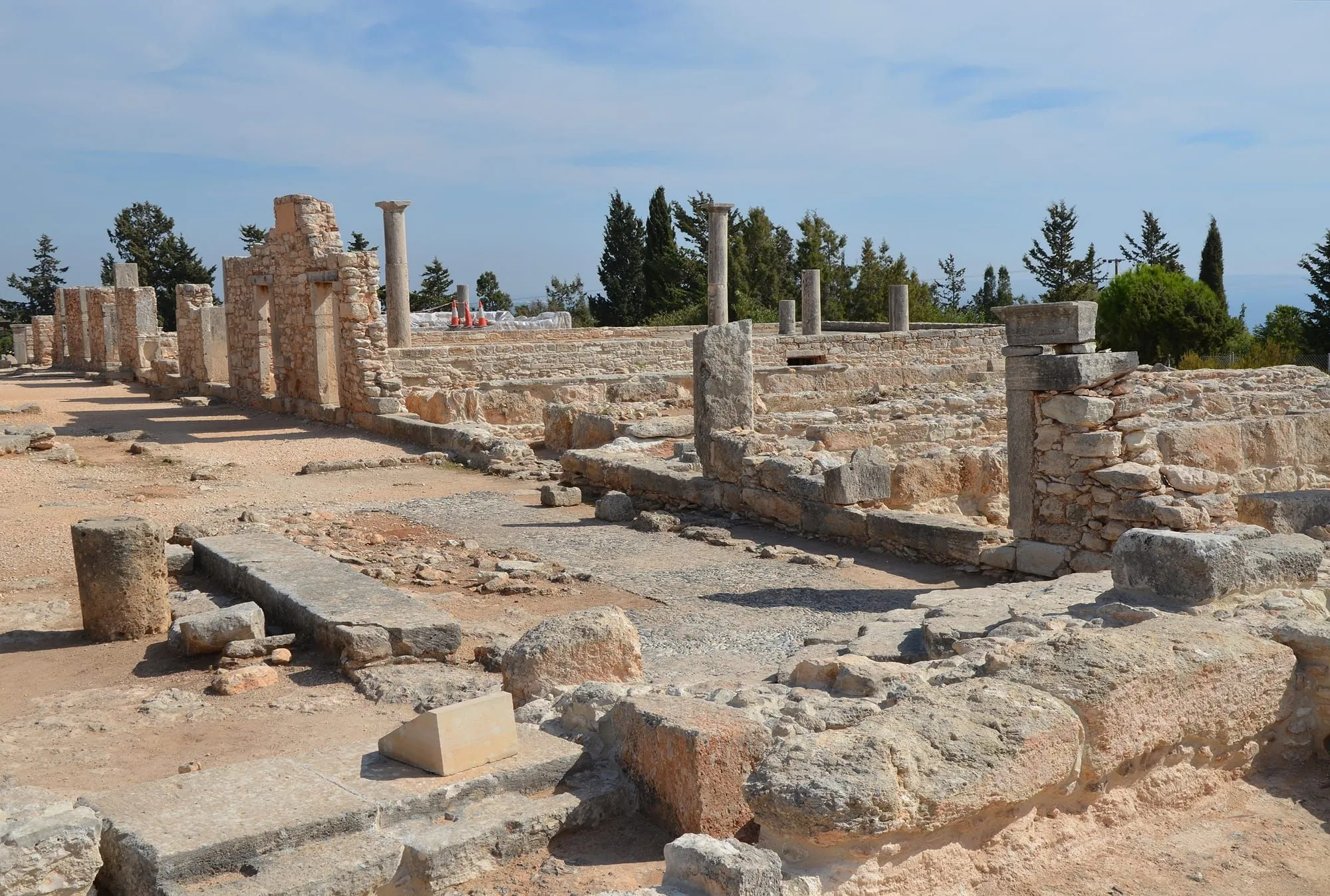
That is where its charm lies. After the visual scale of Kourion, the sanctuary brings a calmer rhythm to the day. It is usually quieter, less crowded, and gives you more room to absorb the place without distraction.
A stop of 35 to 50 minutes is generally enough, especially if Kourion has already taken up a good part of your energy and attention.
7. Omodos
Type: village
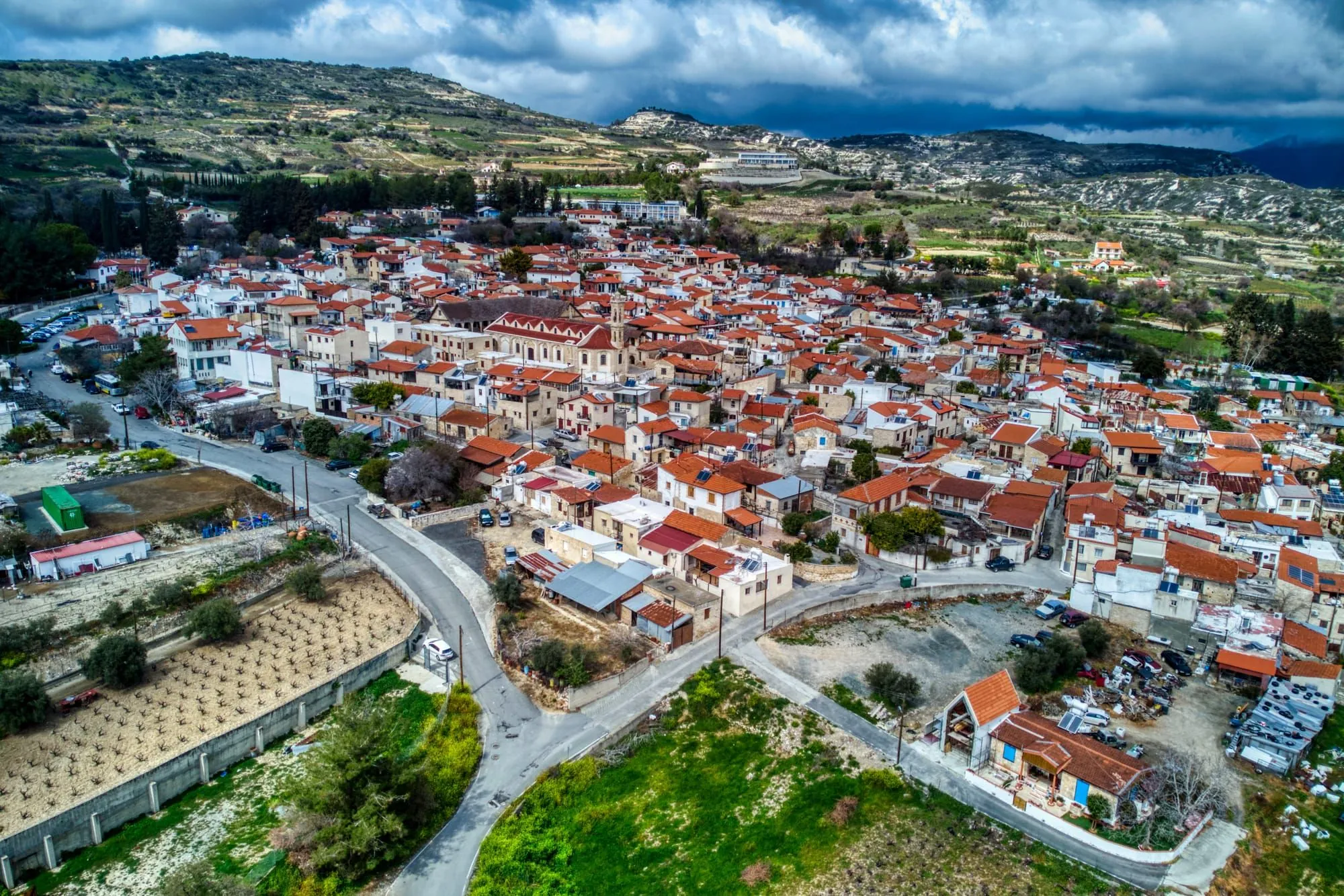
Later in the day, the route changes character beautifully and heads inland to Omodos. This is a completely different Cyprus. After salt, sea, ruins, and open landscapes, you suddenly find yourself in a wine village at around 800 metres above sea level, surrounded by stone lanes, local food, and cooler air.
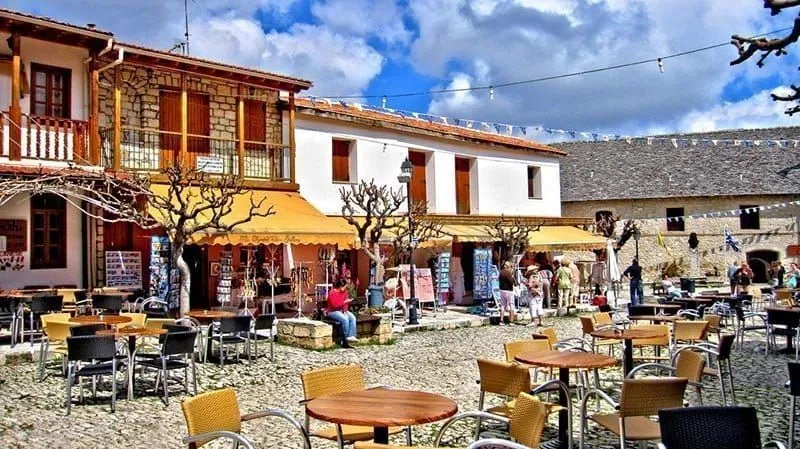
Omodos works so well because it does not feel like a staged tourist set. It genuinely marks a transition into a different mood and temperature — not only physically, but emotionally too. It is the sort of place where you want to walk slowly, look around, browse small shops, and feel the pace of the day soften towards evening.
Around an hour is a good amount of time to set aside for the village itself.
8. To Katoi Restaurant
Type: restaurant / food stop
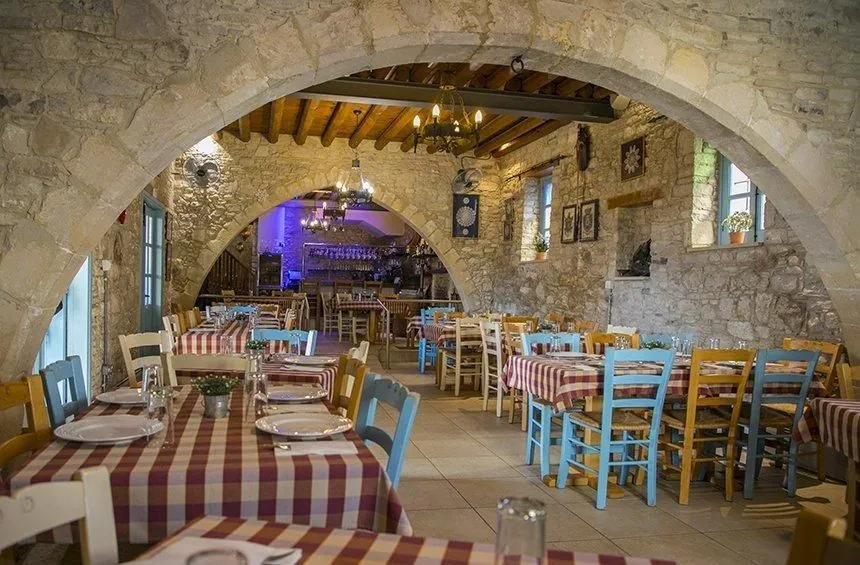
If a route is put together properly, food should never feel random. That is why Omodos is the right place not just for a functional lunch stop, but for something that continues the atmosphere of the journey. To Katoi works especially well because it feels like part of the village rather than a break from it.
It is an excellent choice for a late lunch: stone walls, old architecture, a calm pace, and the sense that you are still inside the route rather than stepping away from it just to eat.
For lunch, it is sensible to allow 45 to 60 minutes.
9. Linos Winery
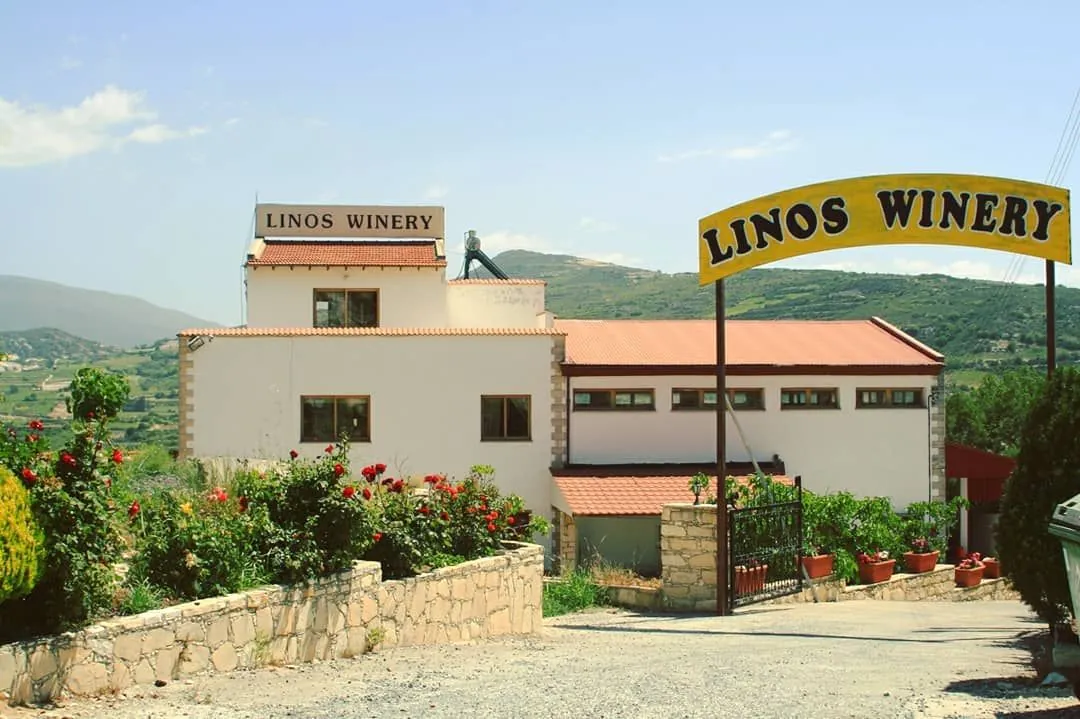
Type: winery
Linos Winery makes an ideal final stop. It gives the day a memorable ending rather than a generic one. After the sea, the salt, the ruins, and the village lanes, you arrive at a tasting — and the route suddenly feels complete, as though everything has been building towards this final note.
What makes the winery especially memorable is that it offers more than just another standard tasting. Its Blue Wine gives it a distinctive detail, and that sort of thing works brilliantly in travel: it gives the whole day a small hook that is easy to remember afterwards.
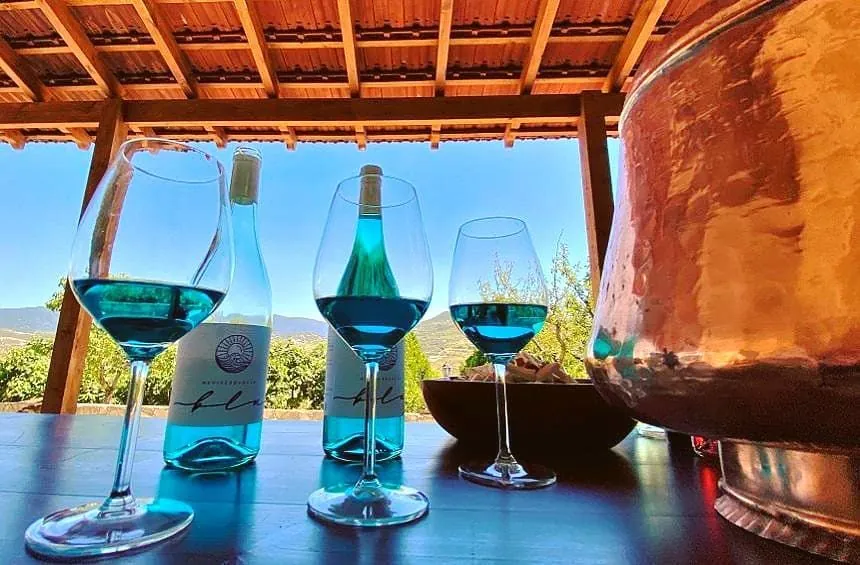
If you are not staying long, 30 to 45 minutes is generally enough. The main thing, of course, is to make sure there is a sober driver after the tasting.
The rhythm of the day
What makes this route so effective is its internal rhythm. The morning begins in the open, wind-swept landscapes of Akrotiri with sea, salt, and space. Then comes a quiet and unusual monastery stop. After that, the day deepens into a historical section with a medieval castle, Kourion, and the sanctuary. Finally, everything softens into village atmosphere, lunch, and wine — a deeper and more layered version of Cyprus than the coast alone can offer.
Because of that structure, the day never falls apart into random stops. It feels like a proper journey, with a clear pace and a beautiful ending.
Practical advice
It is best to leave Limassol in the morning, especially during the warmer months. Open archaeological sites and the salt lake can become extremely hot in the middle of the day, so water, sun cream, and a hat are essential. It is also worth bearing in mind that some of the roads around Akrotiri can be rougher than usual, and opening hours for certain sites are always worth checking before you set off.
Final thoughts
If you want to see Southern Cyprus in a way that feels less predictable and more textured, this is one of the most rewarding day routes you can take from Limassol. It brings together sea, salt, history, villages, wine, and the satisfying feeling that in a single day you have seen the island on a far deeper level than a standard tourist list would ever allow.
And if you do not want to search for each stop separately, just open our interactive map: all the locations are already collected in one place, making it easy to adapt the route to your pace, your interests, and the kind of day you want to have.